
Discover India
From
INR 469,720
Venture into the lengths and breaths of this magnificent country with our top tours, perfectly curated for those intrigued by this glorious country and its culture. This 28-day tour is a life-changing experience as you soak in the diverse culture, architecture, and traditions of people in India, right from Delhi, down to Kanyakumari.
-
Theme
Cultural, Small Group, World Heritage tours -
Destinations
India, North India, South India -
Cities Covered New Delhi, Varanasi, Khajuraho, Jhansi, Agra, Ranthambore, Jaipur, Pushkar, Udaipur, Mumbai, Cochin, Thekkady, Alleppey, Kovalam, Kanyakumari , Madurai, Tanjore, Pondicherry, Mahabalipuram , Chennai
-
Ratings 1 Review5/5
-
Activity Level Moderate Active
-
Group Size Min Group Size: 1 |
Max Group Size: 10
Tour Highlights
- Explore India’s richness and vastness at a glance.
- 57 Meals (27 breakfast, 3 lunches and 27 Dinners) as per the itinerary
- Explore Heritage sites which pave way through the Indian culture and heritage
- Rickshaw ride through the commotion on the streets of Old Delhi and narrow lanes of the oldest bazaar- Chandni Chowk is an enduring experience
- Tour Varanasi, where travelers get an opportunity to see Hindu pilgrims in thousands of numbers as they congregate on the banks of the River Ganges.
- Explore India’s amazing artistic legacy through the exquisite murals of Khajuraho
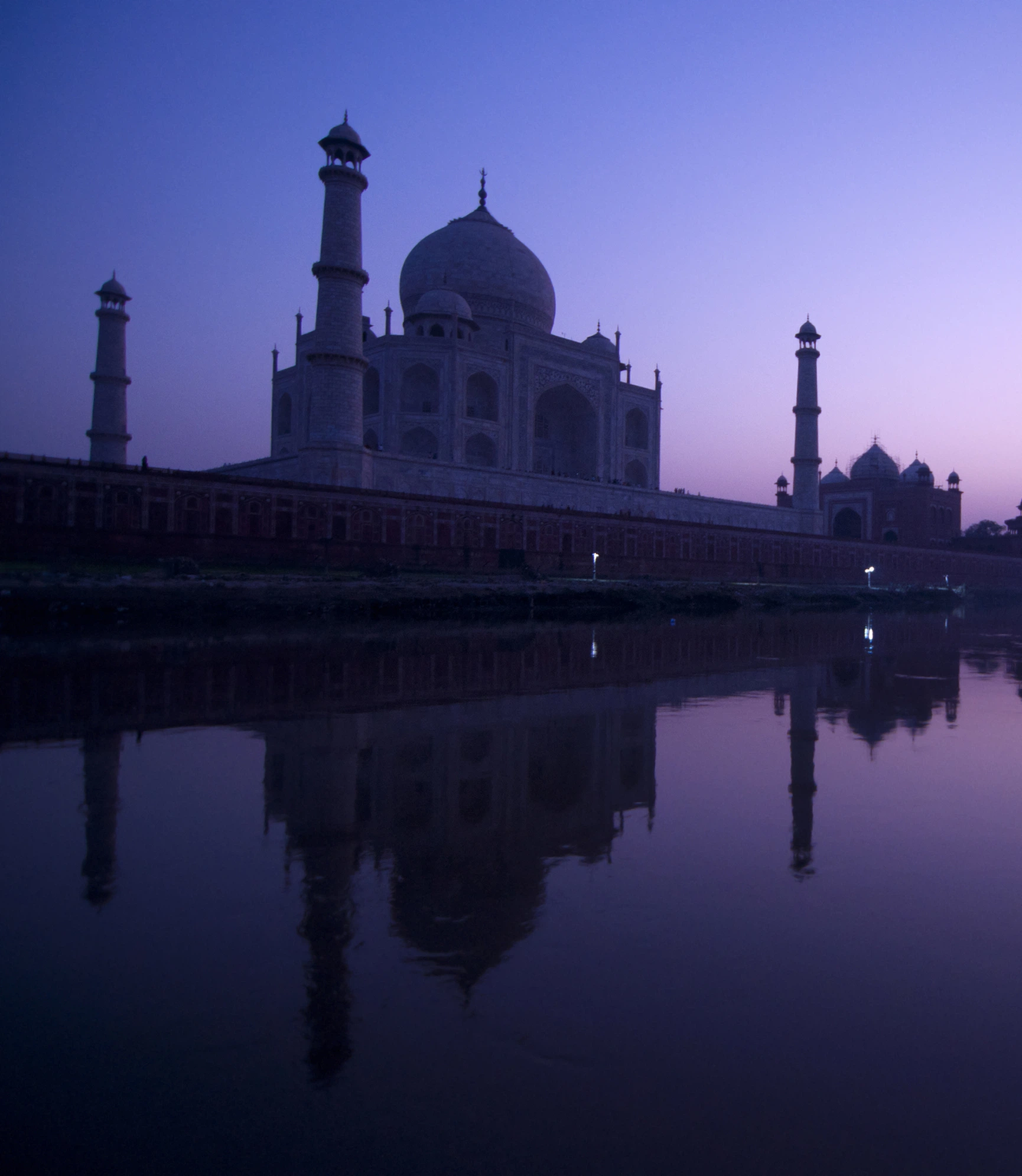
- Explore the magnificent Taj Mahal in Agra
- Explore the unexplored trails of Ranthambore National Park through a thrilling safari
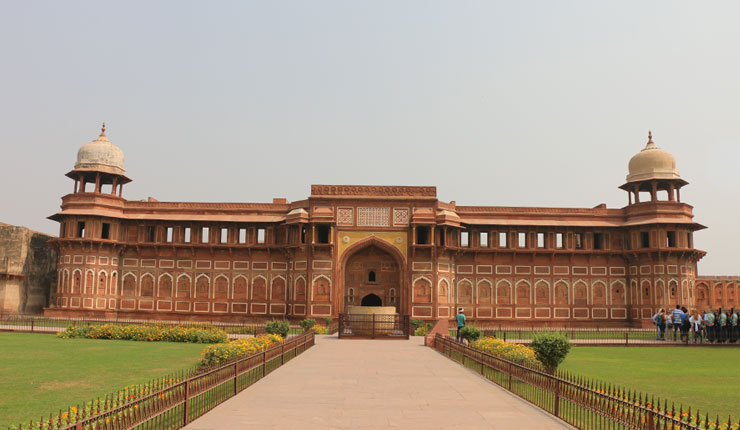
- Experience the architectural jewels established by Mughal Empire
- Visit to Jaipur- famous for its forts, Palaces and Jewels
- Visit the mystical town of Pushkar and witness pilgrims offering their prayers around the holy lake surrounded by many temples, bathing Ghats, and a cluster of onion shaped domes and chalk colored buildings.
- Travel to the lavish city of Udaipur which is adorned by bone white buildings (once royal residences) seeming to float upon shimmering lakes.
- Visit the financial capital of India and home to the famous celebrities of the Indian Cinema industry Bollywood, i.e. Mumbai.
- Explore Kerala; commonly referred to as ‘The God’s Own Country’ and spend 7 nights de-stressing with the serenity the awesome landscape offers.
- Experience the tranquil backwaters, lush green surroundings, the beautiful tea estates and spice plantations.
- Enjoy a pampering Ayurvedic massage therapy at Kovalam
- Visit Tamil Nadu and discover the rich cultural heritage of south India with the grandeur of the temples at Madurai and Thanjavur.
- See the mini France of India – Pondicherry. A former French colony that still retains some bits and pieces of the French culture.
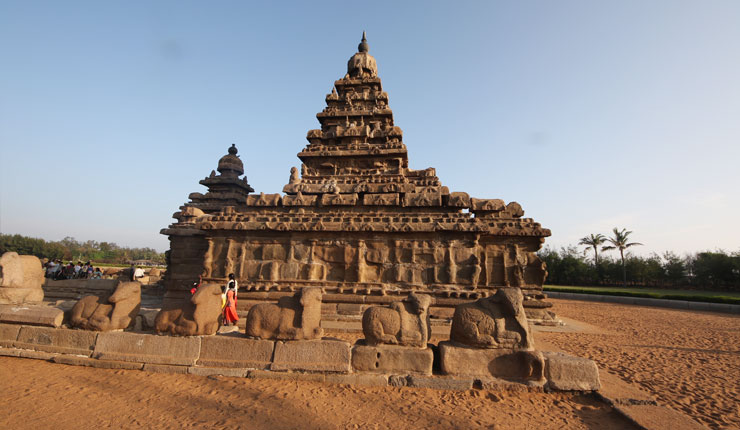
- Visit to the Shore temples of Mahabalipuram
World Heritage Sites
UNESCO-listed landmarks you will visit or explore on this itinerary.
16 sites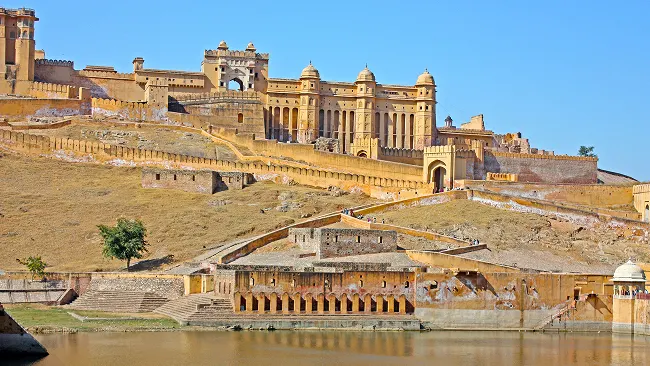
Tour Itinerary at Glance
| Day 1: | Arrive Delhi | |
| Day 2: | Delhi |
|
| Day 3: | Delhi/Varanasi (Flight) |
|
| Day 4: | Varanasi/Khajuraho (Flight) |
|
| Day 5: | Khajuraho/Agra (Train) |
|
| Day 6: | Agra |
|
| Day 7: | Agra / Ranthambore (Drive: 290 Km / 6 Hours) |
|
| Day 8: | Ranthambore / Jaipur (Drive: 180 Km/ 4 Hours) |
|
| Day 9: | Jaipur |
|
| Day 10: | Jaipur / Pushkar (Drive: 140 Km/ 3 ½ Hours) |
|
| Day 11: | Pushkar / Udaipur (Drive: 280 Km/ 6 Hours) |
|
| Day 12: | Udaipur |
|
| Day 13: | Udaipur / Mumbai (Flight) |
|
| Day 14: | Mumbai |
|
| Day 15: | Mumbai/ Cochin (Flight) |
|
| Day 16: | Cochin |
|
| Day 17: | Cochin/ Thekkady (Drive: 190 Km/ 6 Hours) |
|
| Day 18: | Thekkady |
|
| Day 19: | Thekkady/ Alleppey (Drive: 170 Km/ 4 ½ Hours) |
|
| Day 20: | Alleppey/ Kovalam (Drive: 175 Km/ 4 Hours) |
|
| Day 21: | Kovalam |
|
| Day 22: | Kovalam/ Kanyakumari/ Madurai (Drive: 330 Km/ 7- 8 Hours) |
|
| Day 23: | Madurai |
|
| Day 24: | Madurai/ Tanjore (Drive: 195 Km/ 4 Hours) |
|
| Day 25: | Tanjore/ Pondicherry (Drive: 200 Km/ 4 Hours) |
|
| Day 26: | Pondicherry / Mahabalipuram/ Chennai (Drive: 195 Km/ 4 Hours) |
|
| Day 27: | Chennai |
|
| Day 28: | Chennai / Onward destination |
|
- - Breakfast
- - Lunch
- - Dinner
The tour package inclusions and exclusions
The tour package booking terms and conditions
Before you book a trip with “Bestway2india.com”- An online trading entity of Bestway Tours and Safaris Pvt Ltd , please take the time to read and understand the booking terms and conditions & additional special conditions which apply to certain trips ,themes and promotional offers. These booking conditions form the basis of your contract with “Bestway Tours & Safaris Pvt. Ltd, Suite 403, Suncity Trade Tower, Sector 21, Gurgaon (National Capital Region), Haryana – 122016, (India) , A company incorporated under Indian companies ACT 1956 vide registration number 55-51646
By asking us to confirm your booking, you confirm that you have had the opportunity to read and have read these booking conditions, Essential trip information, Inclusions & Exclusions and cancellation & refund policy and agree to be bound by them.
These booking conditions only apply to holiday arrangements which you book with us on https://www.bestway2india.com (An online trading entity of Bestway Tours & Safaris Pvt Ltd) and which we agree to make , provide, or perform (as applicable) as part of our contract with you. All references in these booking conditions, to “holiday”, “booking”, “contract”, “package”, “tour” or “arrangements” mean such holiday arrangements unless otherwise stated.
Essential Trip Information
Booking Deposit, Cancellation and Refund Policy
Expand All
-
Day 1 - Arrive Delhi
 Namaste – Welcome to India! Upon arrival we are greeted the traditional Indian way with hands clapped together. We are then transferred to our hotel and have the balance of the day free.
-
Day 2 - Delhi
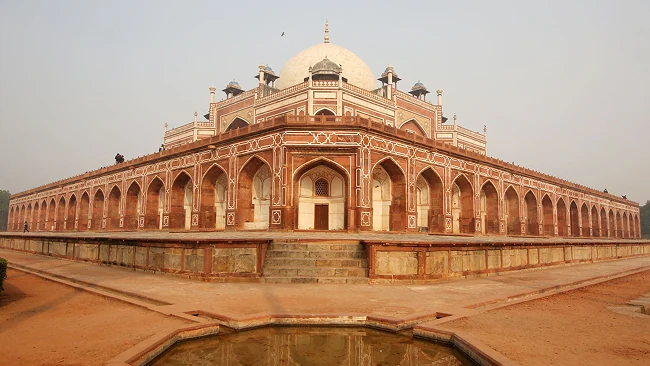
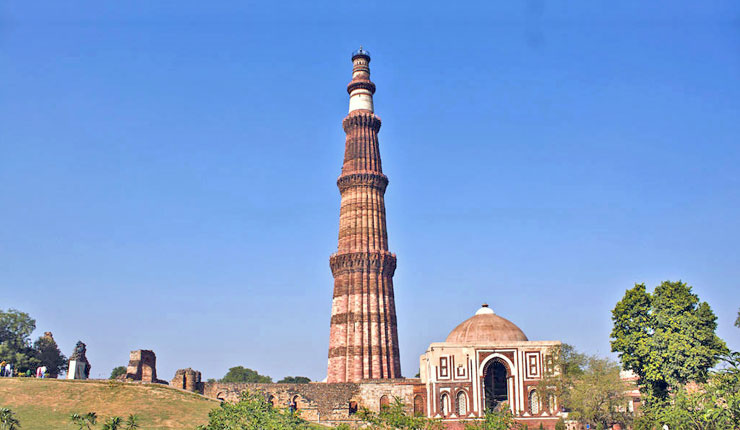
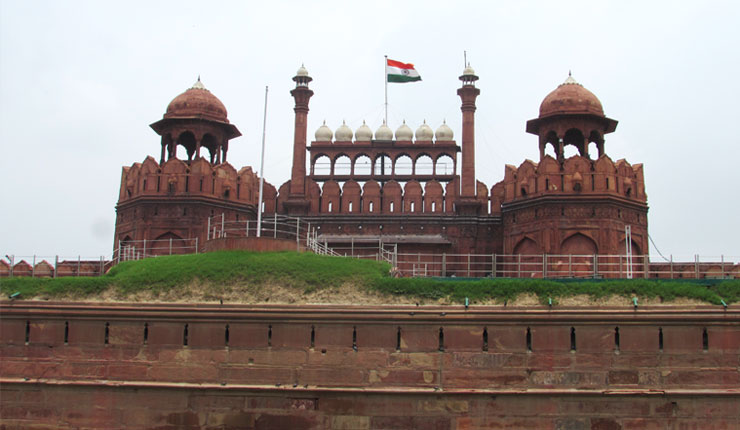
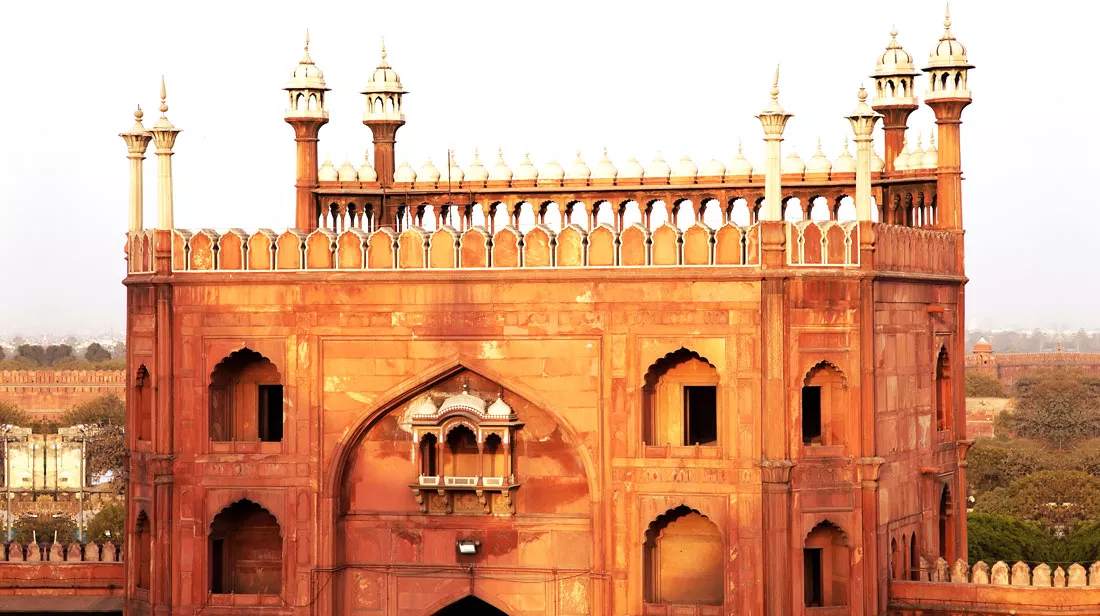
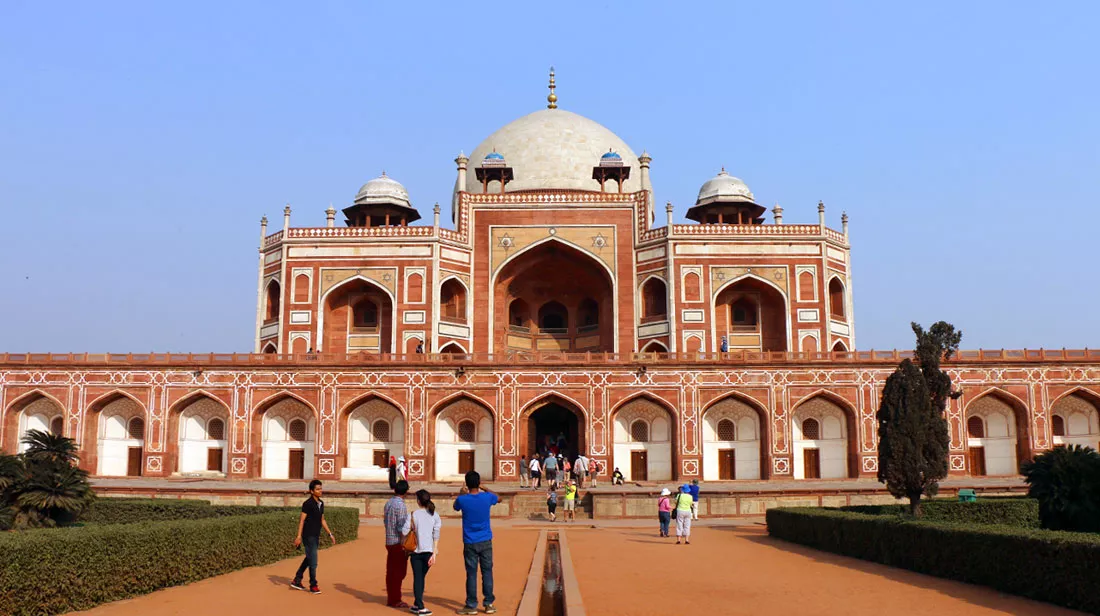 The capital of India is truly a tantalizing mixture of old and new. We start our morning tour with an exploration of New Delhi and a visit to Birla House, the last residence of Mahatma Gandhi. Next, take in the famous India Gate, followed by the Houses of Parliament, Connaught Place and Humayun’s Tomb*, built in 1570 as the first garden-tomb in India. Humayan’s Tomb inspired several major architectural innovations, including the Taj Mahal. Experience the stunning ancient minaret of Qutb Minar* before venturing into Old Delhi where we visit the historical Red Fort* built by the Moghul Emperor, Shah Jehan. Most of the Moghul forts were “Palace Forts“ as these were also the official residences of the royalty. We then embark on a walking tour through the bazaars at Chandni Chowk, Old Delhi’s oldest and busiest market. We then drive to the monumental Jama Masjid, India’s largest mosque. End the day at Raj Ghat, the cremation site of Mahatma Gandhi. Evening we enjoy a welcome dinner..
Please Note: Red Fort and Birla House are closed on Monday and Shops in Chandni Chowk are closed on Sunday
Meals Included
The capital of India is truly a tantalizing mixture of old and new. We start our morning tour with an exploration of New Delhi and a visit to Birla House, the last residence of Mahatma Gandhi. Next, take in the famous India Gate, followed by the Houses of Parliament, Connaught Place and Humayun’s Tomb*, built in 1570 as the first garden-tomb in India. Humayan’s Tomb inspired several major architectural innovations, including the Taj Mahal. Experience the stunning ancient minaret of Qutb Minar* before venturing into Old Delhi where we visit the historical Red Fort* built by the Moghul Emperor, Shah Jehan. Most of the Moghul forts were “Palace Forts“ as these were also the official residences of the royalty. We then embark on a walking tour through the bazaars at Chandni Chowk, Old Delhi’s oldest and busiest market. We then drive to the monumental Jama Masjid, India’s largest mosque. End the day at Raj Ghat, the cremation site of Mahatma Gandhi. Evening we enjoy a welcome dinner..
Please Note: Red Fort and Birla House are closed on Monday and Shops in Chandni Chowk are closed on Sunday
Meals Included-
Breakfast
-
Dinner
-
-
Day 3 - Delhi/Varanasi (Flight)
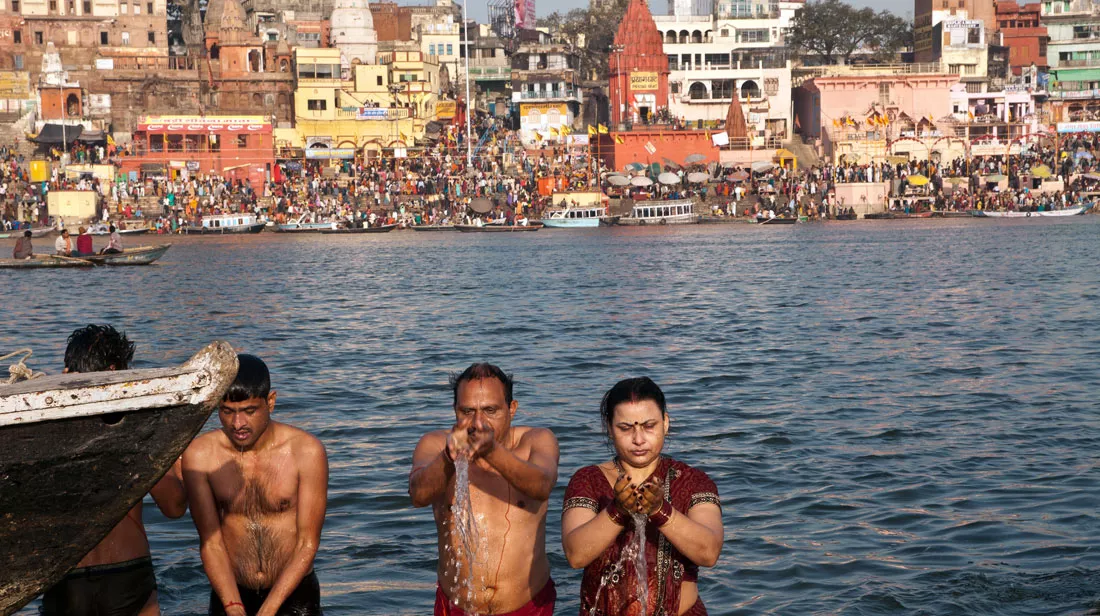 A short flight gets us to Varanasi, the oldest living city in India. Varanasi was earlier called Banaras. On arrival, we are transferred to our hotel.
In the afternoon we visit Sarnath, the site where Lord Buddha gave his first sermon after attaining enlightenment. Formerly known as Isipatana, it is here where Gautama Buddha first taught the Dharma in his first sermon and It is also here that the original Sangha (Buddhist monastic order) was formed. We will see silk weaving before returning to our hotel.
Later we experience a joyful rickshaw ride (India’s famous 3 wheeler vehicle) to the banks of the River Ganges – the holy river for the Hindus. Here we witness the colourful Aarti ceremony, a Hindu ritual of worship. Aarti is the waving of lighted wicks before the deities in a spirit of humility and gratitude, wherein faithful followers become immersed in god's divine form. This is usually done at sunset. You may sit and watch and even participate with the devotees.. Please note, Sarnath museum remains closed on Friday.Meals Included-
Breakfast
-
Dinner
-
-
Day 4 - Varanasi/Khajuraho (Flight)
 Early morning, we take a serene sunrise cruise on the River Ganges, soaking in the unique scenes along the river bank. One of the cardinal principles of Hinduism is the belief in the holiness of the Ganges. From our boat we will see scores of pilgrims and priests bathe in the river’s holy waters and performing various other rituals. This unique experience will make us feel as if we’re looking through a window to another world. After our boat ride, we explore old Varanasi, visiting the Bharat Mata Temple, which houses a huge marble relief map of India; Durga Temple, the Tulsi Manas Mandir besides the Banaras Hindu University and the Mosque of Moghul Emperor Aurangzeb.
After breakfast we are transferred to airport for our flight to Khajuraho. On arrival we are transferred to our hotel.Meals Included-
Breakfast
-
Dinner
-
-
Day 5 - Khajuraho/Agra (Train)
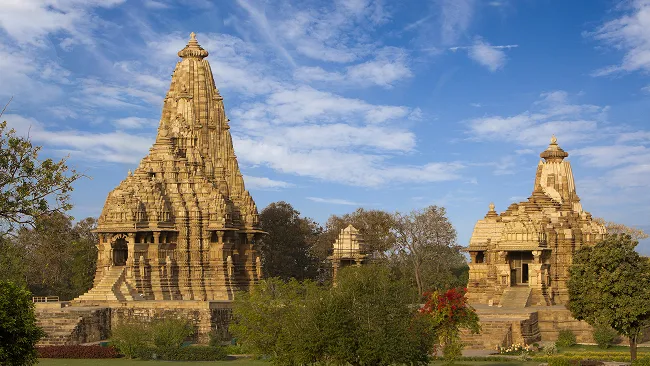
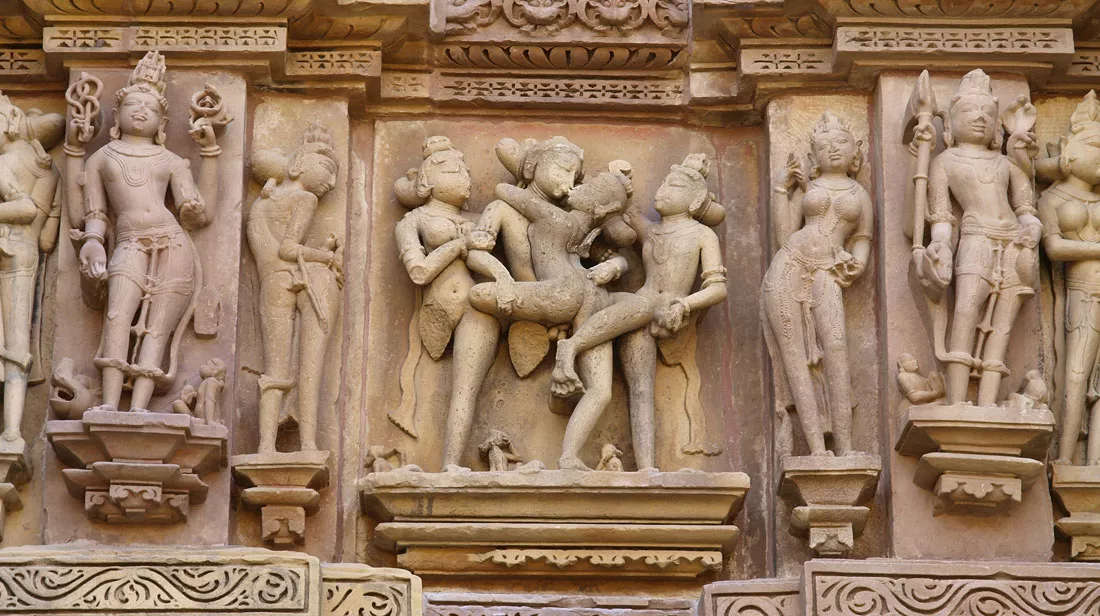
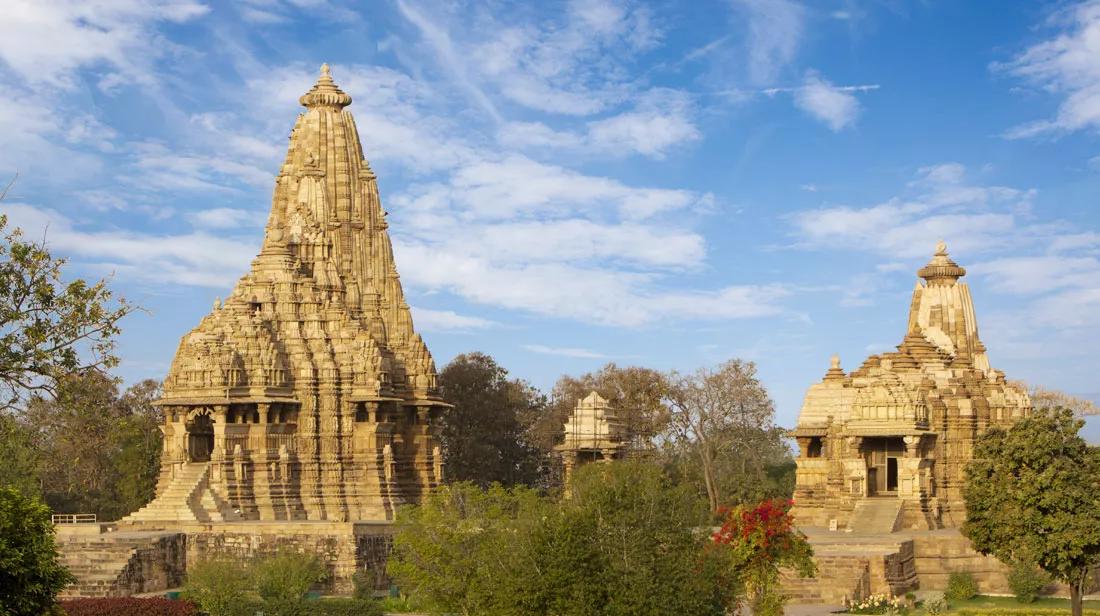 In the morning, we explore the Khajuraho Group of Monuments* The temples at Khajuraho were built during the Chandella dynasty, which reached its apogee between 950 and 1050. Today only 20 temples remain and they fall into three distinct groups and belonging to the religions of Hinduism and Jainism. They strike a perfect balance between architecture and sculpture. The Temples are decorated with a profusion of sculptures that are among the greatest masterpieces of Indian art.
In the afternoon we are transferred to railway station to board our express train to Agra. Agra is amongst the few privileged cities in the world to house 3 UNESCO World Heritage Sites - The Taj Mahal, Agra Fort and Fatehpur Sikri. Dinner on board train. On arrival, we are transferred to our hotel.Meals Included-
Breakfast
-
Dinner
-
-
Day 6 - Agra
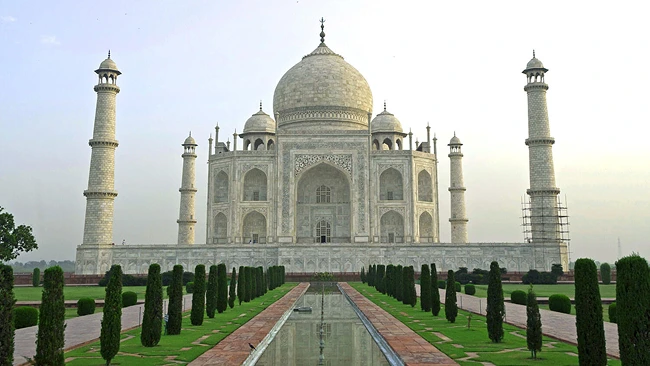
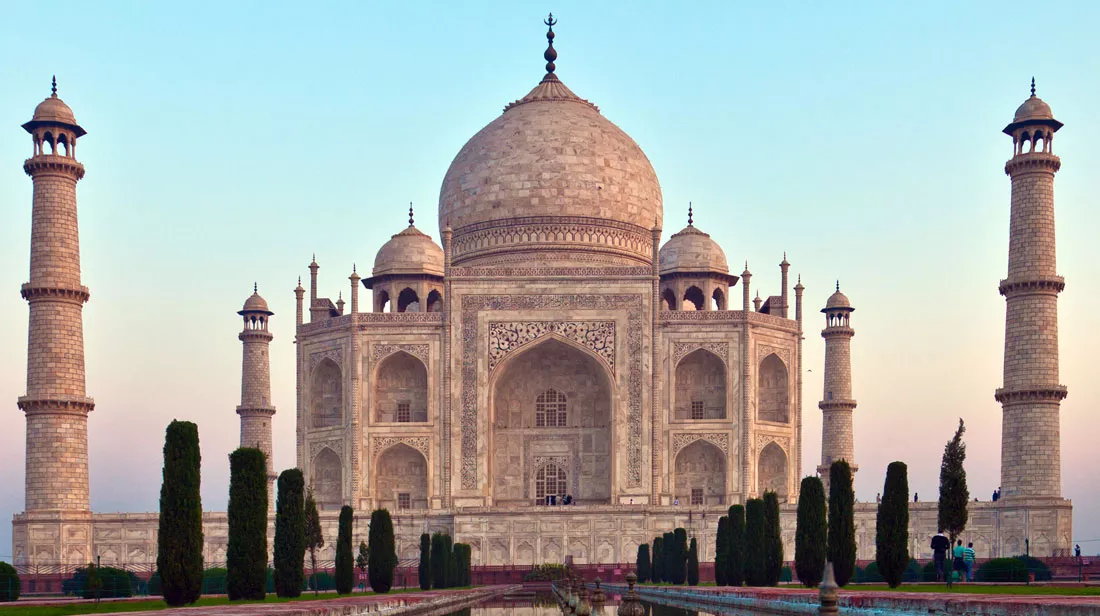 We start our day with a sunrise visit to one of the most well-known wonders of the world, the Taj Mahal*. An immense mausoleum of white marble, built between 1631 and 1648. Built by the Moghul Emperor, Shah Jahan in memory of his favourite wife, Mumtaz Mahal, the Taj Mahal is the jewel of Muslim art in India and a universally admired masterpiece of world heritage. Situated on the right bank of the Yamuna in a vast Moghul garden, this funerary monument combines elements and styles of Persian, Central Asian and Islamic architecture. After visiting the Taj Mahal, we return to our hotel for breakfast.
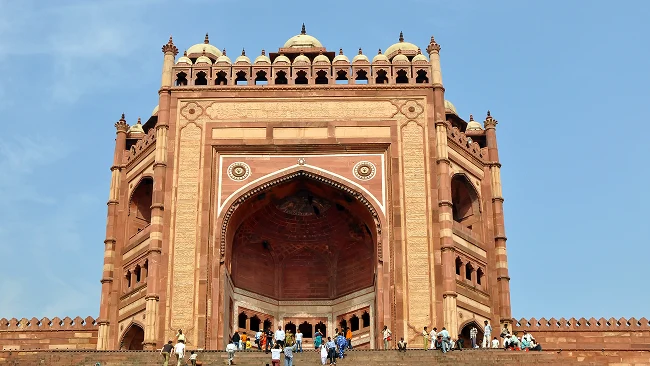
Later we visit Agra Fort*. This powerful fortress of red sandstone encompasses the spectacular imperial city of the Moghul rulers. Explore fairy-tale palaces, audience halls and two very beautiful mosques. In the afternoon, we visit Fatehpur Sikri*. Built during the second half of the 16th century by the Moghul Emperor Akbar, this stunning complex was once the capital of the Moghul Empire. Just 10 years after its construction, the city with its beautiful temples, mosques and monuments were abandoned due to lack of water. Surprisingly, many structures are still in existence and used even today including one of the largest mosques in India and the artistically designed mausoleum of the revered Sufi saint, Salim Chisty. Evening is free to wonder around this small-town housing three UNESCO World Heritage sites. Important Note, Taj Mahal remains closed on Friday.Meals Included-
Breakfast
-
Dinner
-
-
Day 7 - Agra / Ranthambore (Drive: 290 Km / 6 Hours)
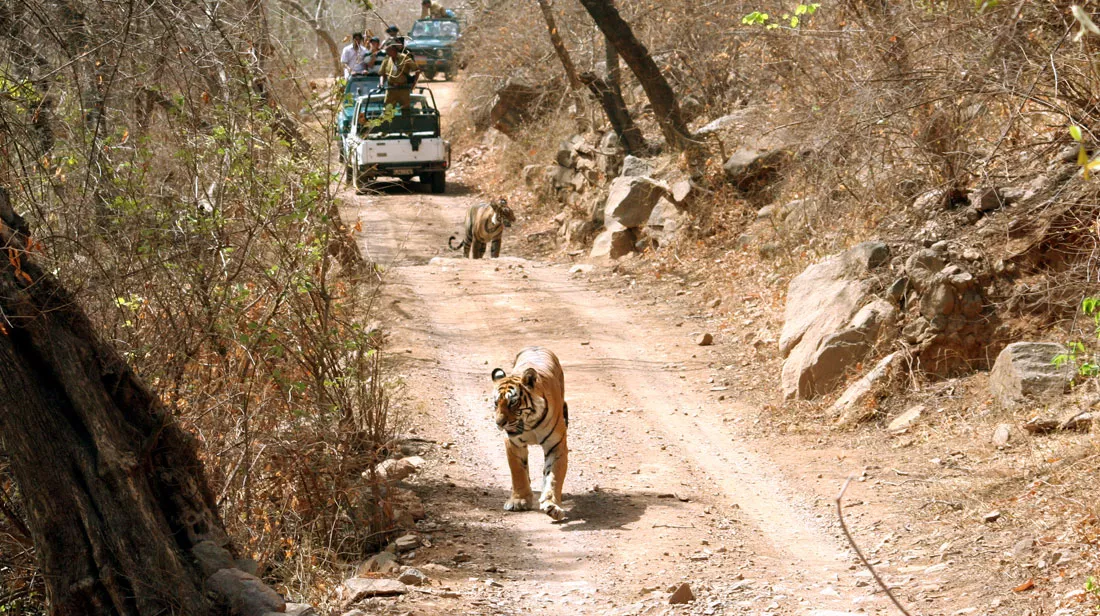
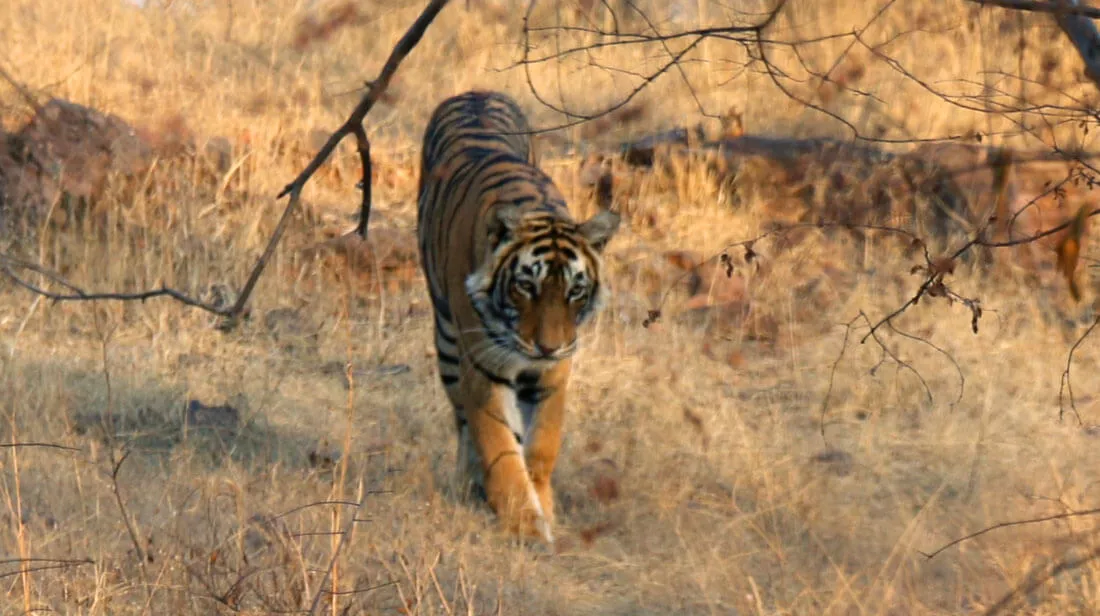 A countryside drive takes us to Ranthambore, the former hunting ground of the Maharajas of Jaipur. Ranthambore National Park lies at the edge of a plateau, and is bounded to the north by the Banas River and to the south by the Chambal River. There are several lakes in the park. It is named for the historic Ranthambhore Fort*, which lies within the national park. The rugged terrain and the dense deciduous forests are major features of this national park, which has among the largest and most diverse collection of wildlife species in India. In the afternoon we take a safari through the National Park, where we encounter a variety of mammals, including tigers. About 150 bird species have their habitat here and in winter a variety of migratory birds can be seen
Meals Included
A countryside drive takes us to Ranthambore, the former hunting ground of the Maharajas of Jaipur. Ranthambore National Park lies at the edge of a plateau, and is bounded to the north by the Banas River and to the south by the Chambal River. There are several lakes in the park. It is named for the historic Ranthambhore Fort*, which lies within the national park. The rugged terrain and the dense deciduous forests are major features of this national park, which has among the largest and most diverse collection of wildlife species in India. In the afternoon we take a safari through the National Park, where we encounter a variety of mammals, including tigers. About 150 bird species have their habitat here and in winter a variety of migratory birds can be seen
Meals Included-
Breakfast
-
Lunch
-
Dinner
-
-
Day 8 - Ranthambore / Jaipur (Drive: 180 Km/ 4 Hours)
 Today, we drive to Jaipur, the capital of Rajasthan called the Pink City, since most of the buildings in the old city are made of pink sandstone. In the evening we enjoy our dinner followed by Rajasthani Cultural dance show.
Meals Included
Today, we drive to Jaipur, the capital of Rajasthan called the Pink City, since most of the buildings in the old city are made of pink sandstone. In the evening we enjoy our dinner followed by Rajasthani Cultural dance show.
Meals Included-
Breakfast
-
Dinner
OPTIONAL: Afternoon Safari through Ranthambore National Park - INR 7,020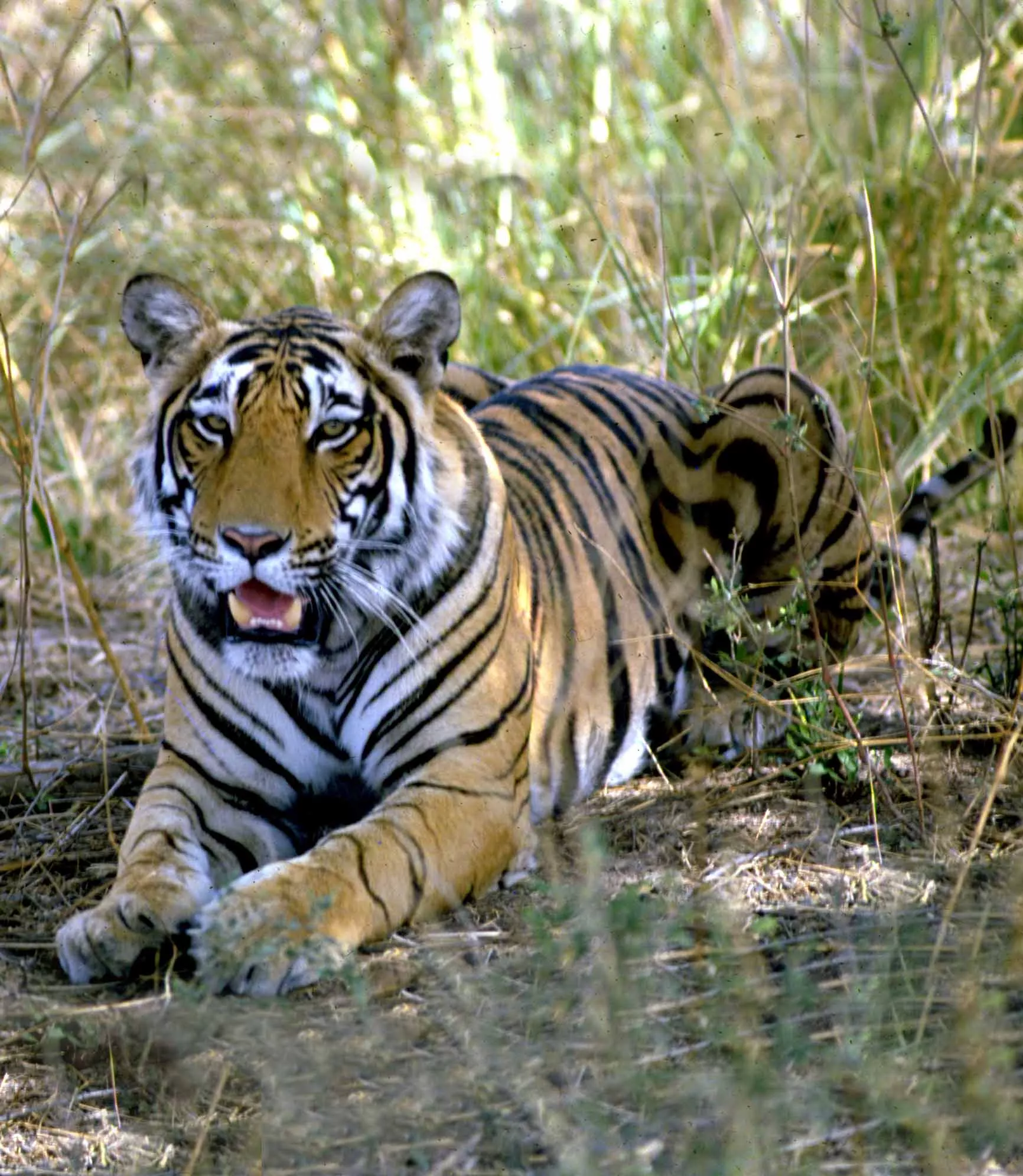 Afternoon Jeep Safari through Ranthambore National Park
 -
-
Day 9 - Jaipur
 This morning we visit Amber Fort, located in a valley formed by a range of Aravalli’s known as Kalikho hills. The Palace and Fort are located on top of the hill with the city on slopes, and the valley protected by fort walls with four gates in the four cardinal directions. The construction of the fort began in 1592. It shows the evolution from the purely defensive fort settlements of the early medieval period to the palace fortress type of architecture typified in the 16th century. This palace fortress was never attacked or invaded. The fort comprises of number of gardens, courtyards and palatial spaces derived from Mughal architecture and are a distinguished example of 17th Century Rajput architecture.
After that we explore Jaipur City* visiting the beautiful Hawa Mahal, the Palace of Winds, where the ladies of the royal harem used to watch the city from behind the intricately carved facade.
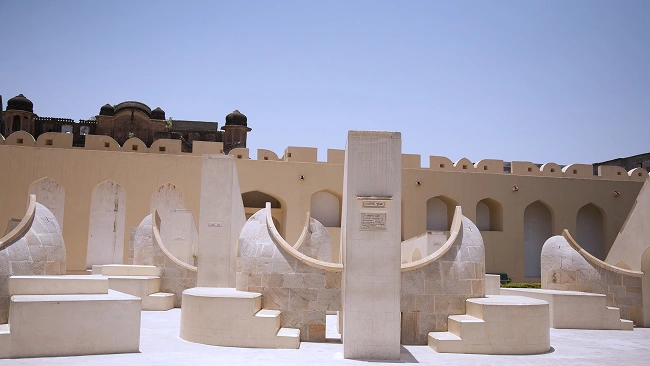
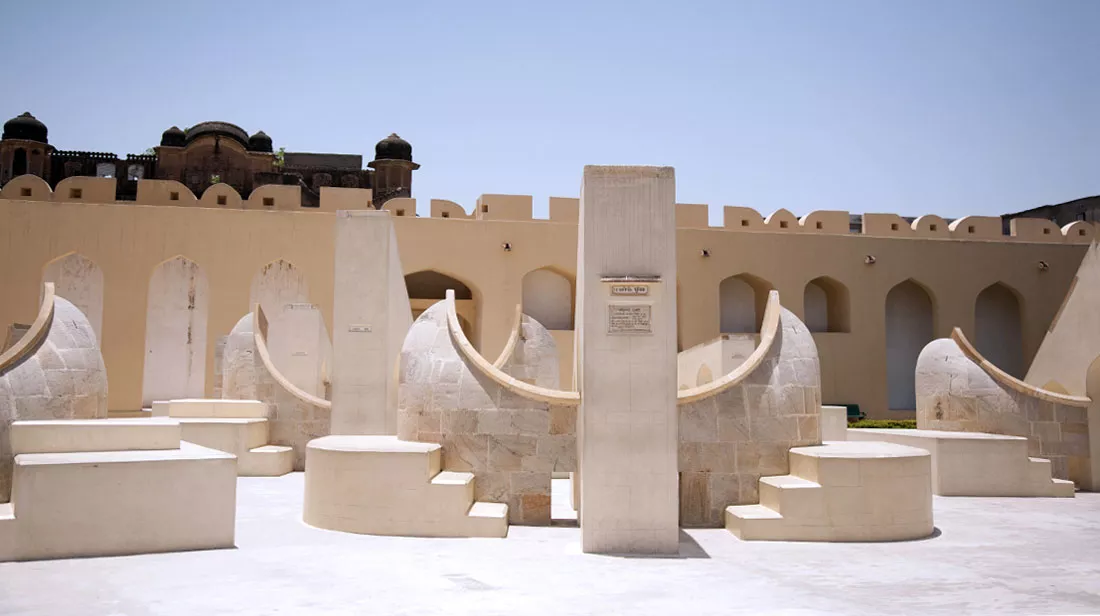
We also visit the Jantar Mantar*, an astronomical observation site built in the early 18th century that includes a set of some 20 main fixed instruments designed for the observation of astronomical positions with the naked eye. It is an expression of the astronomical skills and cosmological concepts of the court of a scholarly prince at the end of the Mughal period. The evening is free to enjoy both shopping and the cultural experience in the bazaars. Jaipur is noted for its craftsmen, skilled in brass inlay, lacquer work and stone setting.Meals Included-
Breakfast
-
Dinner
OPTIONAL: Elephant ride at Amber Fort (Subject to availability) - INR 2,430OPTIONAL: Visit the majestic City Palace - INR 3,240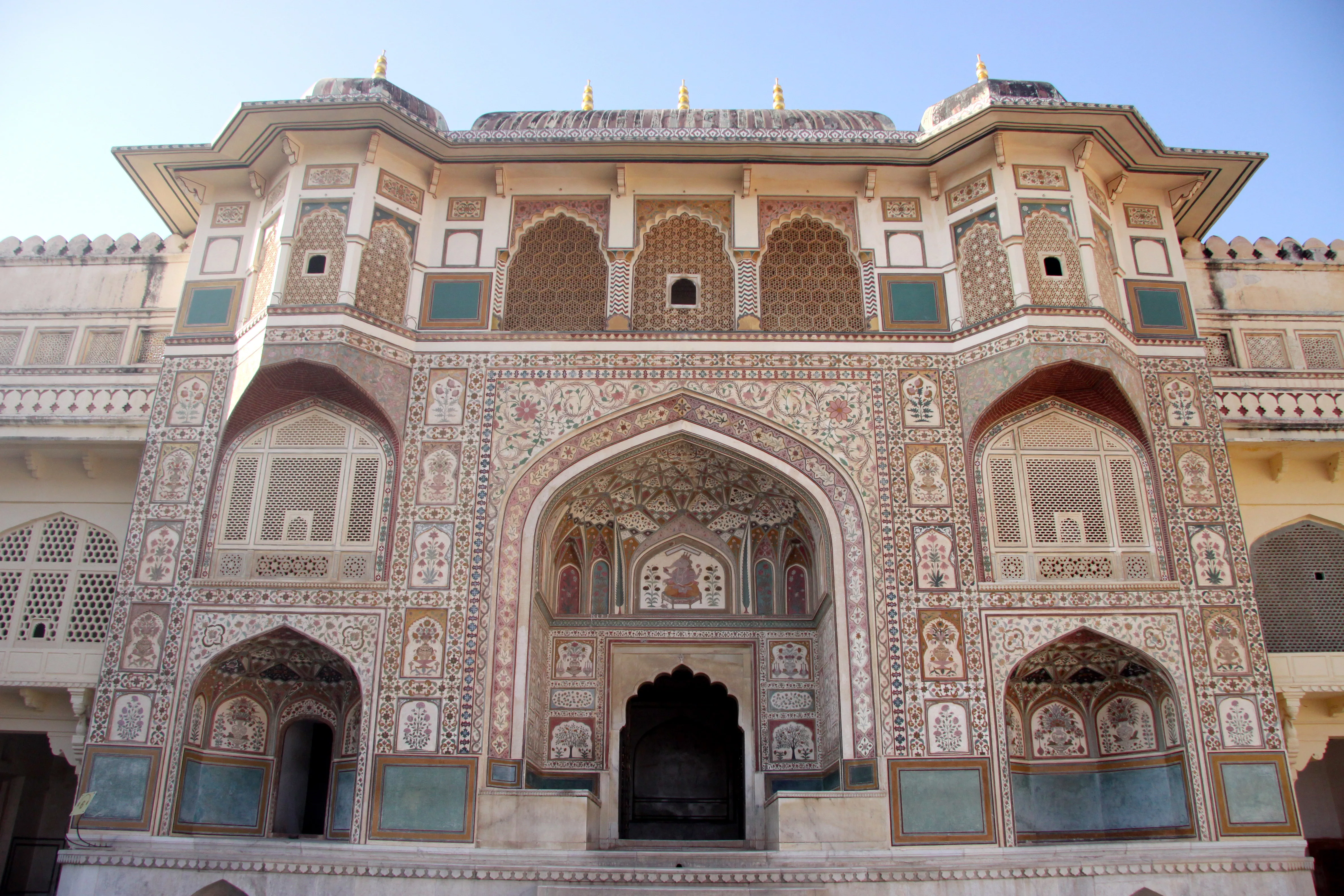 One of the highlights of a visit to the stunning Amber Fort is the chance to ride an elephant up the hill to the main entrance. The Amber Fort elephant ride is a fantastic experience, but visitors must arrive early to guarantee a ride.
 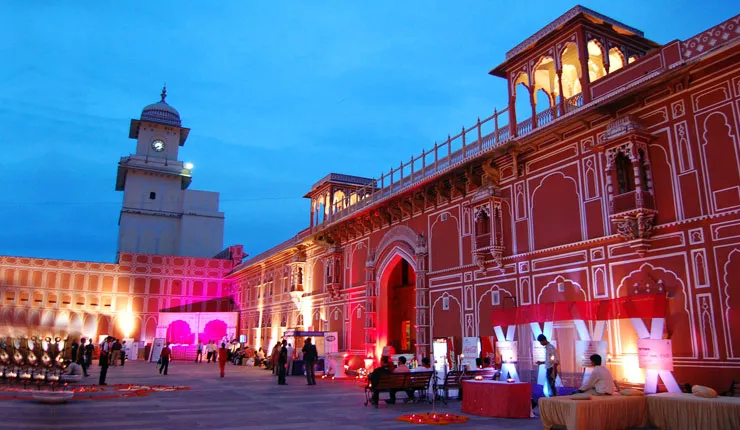 We visit the majestic City Palace, which houses a rare collection of Indian art.
 -
-
Day 10 - Jaipur / Pushkar (Drive: 140 Km/ 3 ½ Hours)
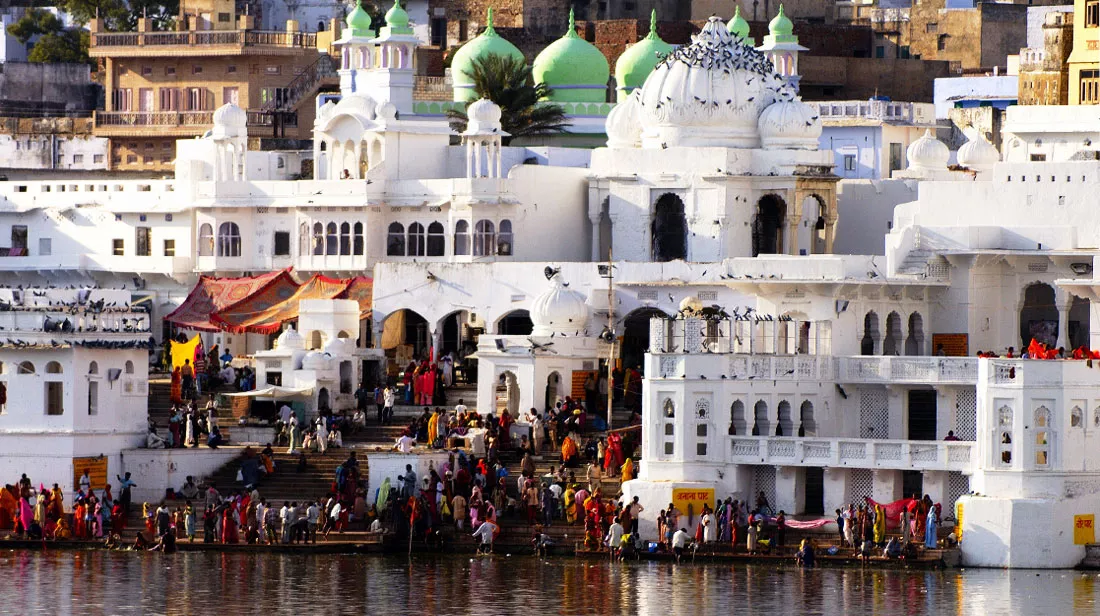 A leisurely drive to Pushkar, a bewitching little town on the edge of the desert, with temples, bathing Ghats, onion domes and chalk-coloured buildings clustering around its holy lake, said to have appeared when Brahma dropped a lotus flower. The lake is an important pilgrimage centre and we shall see many pilgrims and Sadhus, Hindu holy men. We visit the famous Lord Brahma Temple, one of the few temples in the world dedicated to this deity. Evening we walk through the town and meet the local folks.
Meals Included
A leisurely drive to Pushkar, a bewitching little town on the edge of the desert, with temples, bathing Ghats, onion domes and chalk-coloured buildings clustering around its holy lake, said to have appeared when Brahma dropped a lotus flower. The lake is an important pilgrimage centre and we shall see many pilgrims and Sadhus, Hindu holy men. We visit the famous Lord Brahma Temple, one of the few temples in the world dedicated to this deity. Evening we walk through the town and meet the local folks.
Meals Included-
Breakfast
-
Dinner
-
-
Day 11 - Pushkar / Udaipur (Drive: 280 Km/ 6 Hours)
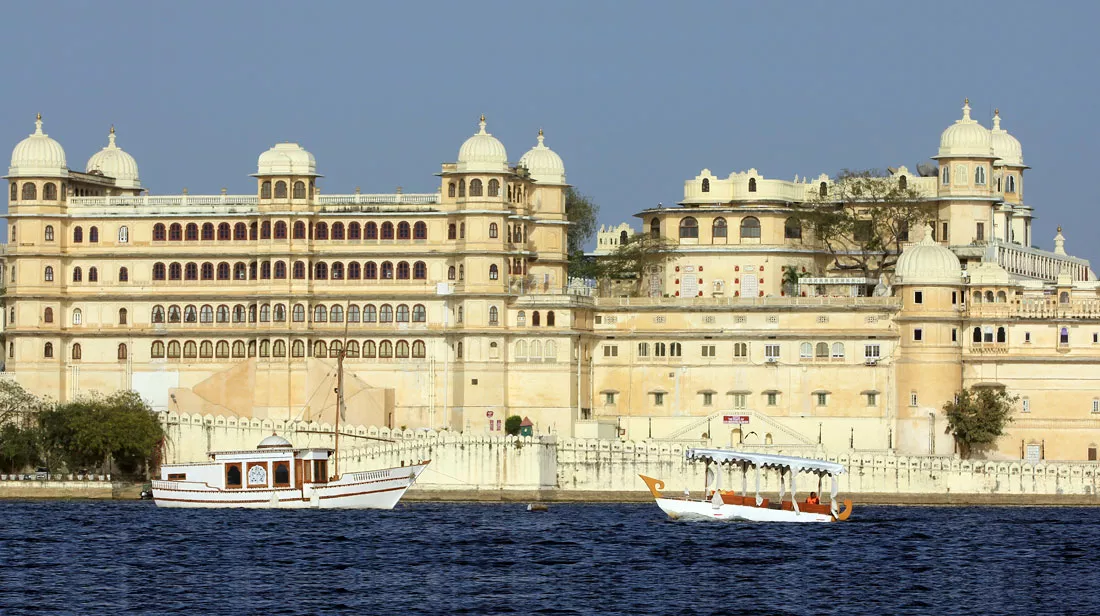 A fascinating countryside as we drive through Rajasthan to Udaipur. Rajasthan literally means “the land of the Rajas” and we notice that still. Udaipur was the historic capital of the former kingdom of Mewar and no other city in Rajasthan is quite as romantic. Misty ochre-shadowed hills and pale, intricate buildings encircle shimmering Lake Pichhola. On arrival we check in our hotel. Balance of the day is free.
Meals Included
A fascinating countryside as we drive through Rajasthan to Udaipur. Rajasthan literally means “the land of the Rajas” and we notice that still. Udaipur was the historic capital of the former kingdom of Mewar and no other city in Rajasthan is quite as romantic. Misty ochre-shadowed hills and pale, intricate buildings encircle shimmering Lake Pichhola. On arrival we check in our hotel. Balance of the day is free.
Meals Included-
Breakfast
-
Dinner
-
-
Day 12 - Udaipur
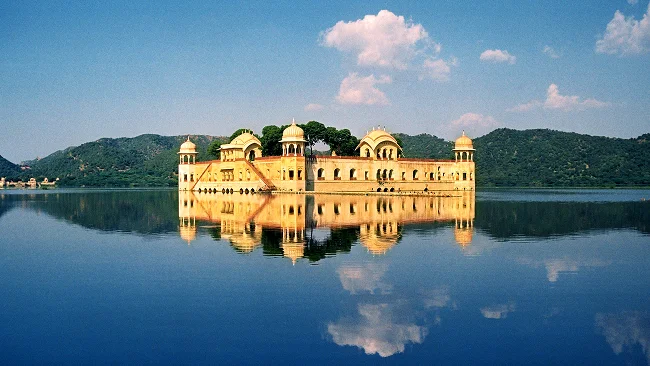
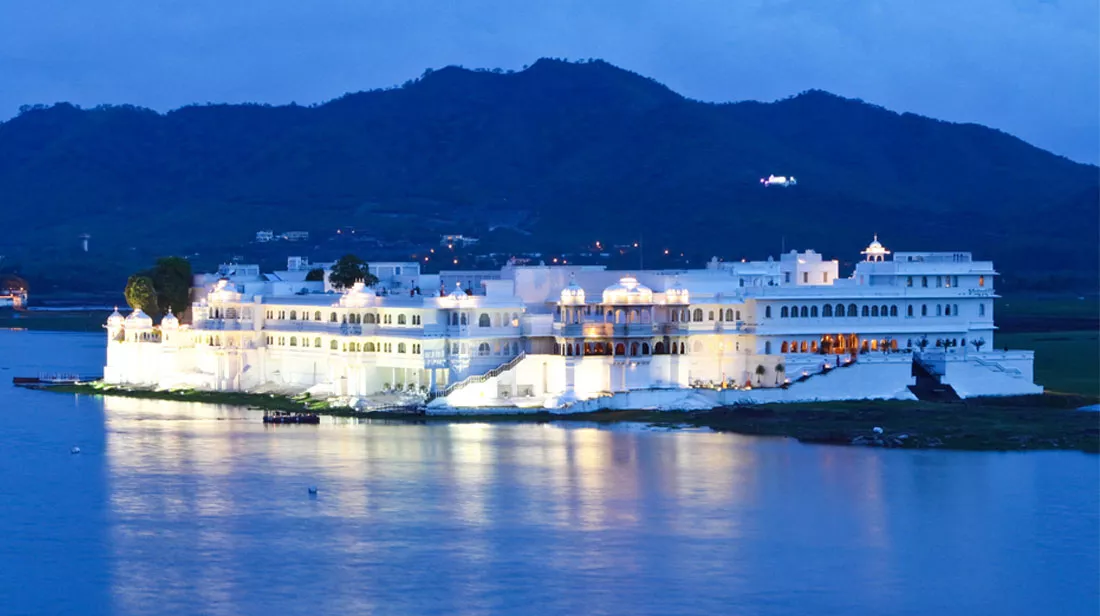 We start our experience of Udaipur by visiting the City Palace. The palace has several architectural and artistic highlights such as the Mor Chowk, known for its stunning peacock mosaics and the Bhim Vilas Palace with its series of lovely wall paintings. From the City Palace we can see the Lake Place, shimmering like a jewel in Lake Pichola. Later we visit the Jagdish Temple, Fateh Sagar Lake and Saheliyon Ki Bari, the Garden of Maids.
Meals Included
We start our experience of Udaipur by visiting the City Palace. The palace has several architectural and artistic highlights such as the Mor Chowk, known for its stunning peacock mosaics and the Bhim Vilas Palace with its series of lovely wall paintings. From the City Palace we can see the Lake Place, shimmering like a jewel in Lake Pichola. Later we visit the Jagdish Temple, Fateh Sagar Lake and Saheliyon Ki Bari, the Garden of Maids.
Meals Included-
Breakfast
-
Dinner
OPTIONAL: Private boat ride at Lake Pichhola - INR 6,285OPTIONAL: Common Boat ride at Lake Pichhola - INR 2,700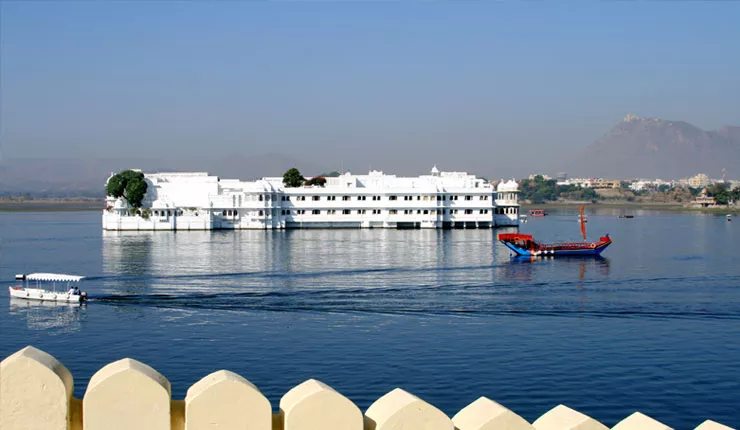 At Sunset we enjoy a boat ride on Lake Pichhola, sailing past the picturesque Ghats and palaces and visit Jag Mandir, a 17th century palace built on an island in Lake Pichhola. The royal family used the palace as a summer resort and a pleasure palace for holding parties.
 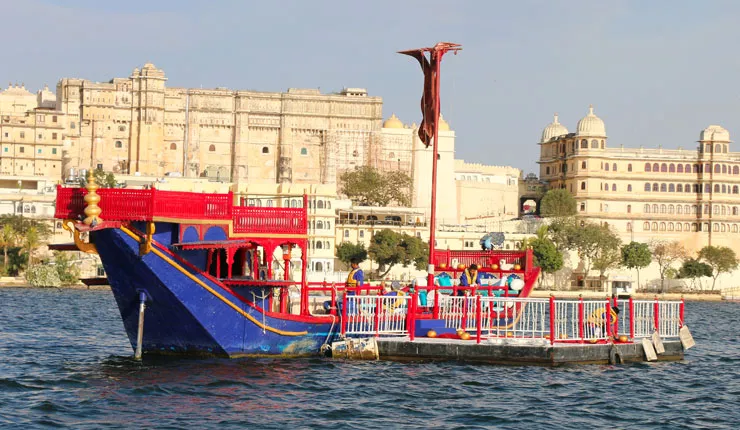 We end our tour of Udaipur with a boat ride on Lake Pichhola, sailing past the picturesque Ghats and palaces and visit Jag Mandir, a 17th century palace built on an island in Lake Pichhola. The royal family used the palace as a summer resort and a pleasure palace for holding parties.
 -
-
Day 13 - Udaipur / Mumbai (Flight)
Today we are transferred to airport for our flight to Mumbai. On arrival in Mumbai we are transferred to our hotel. The remainder of the day is free for personal activities.
Meals Included
-
Breakfast
-
Dinner
-
-
Day 14 - Mumbai
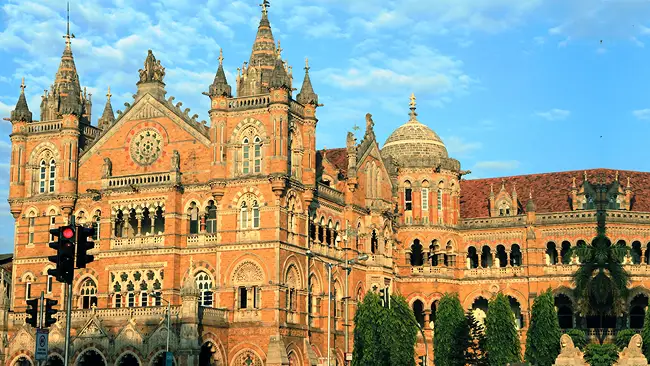
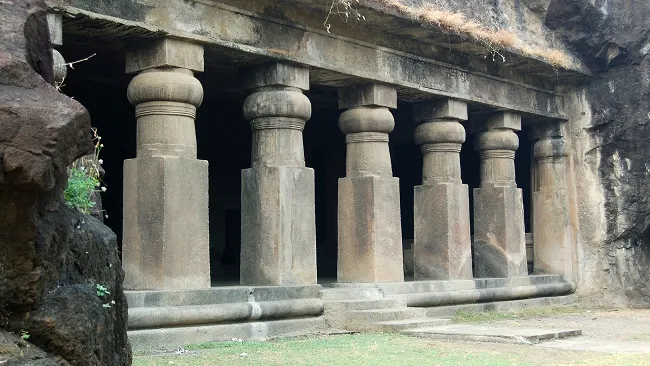
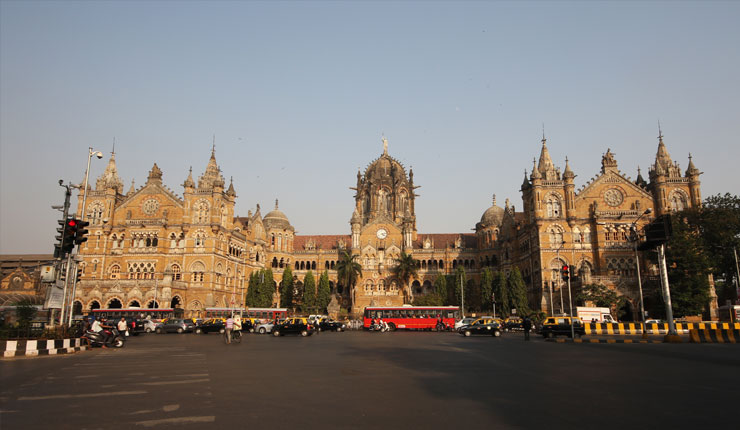
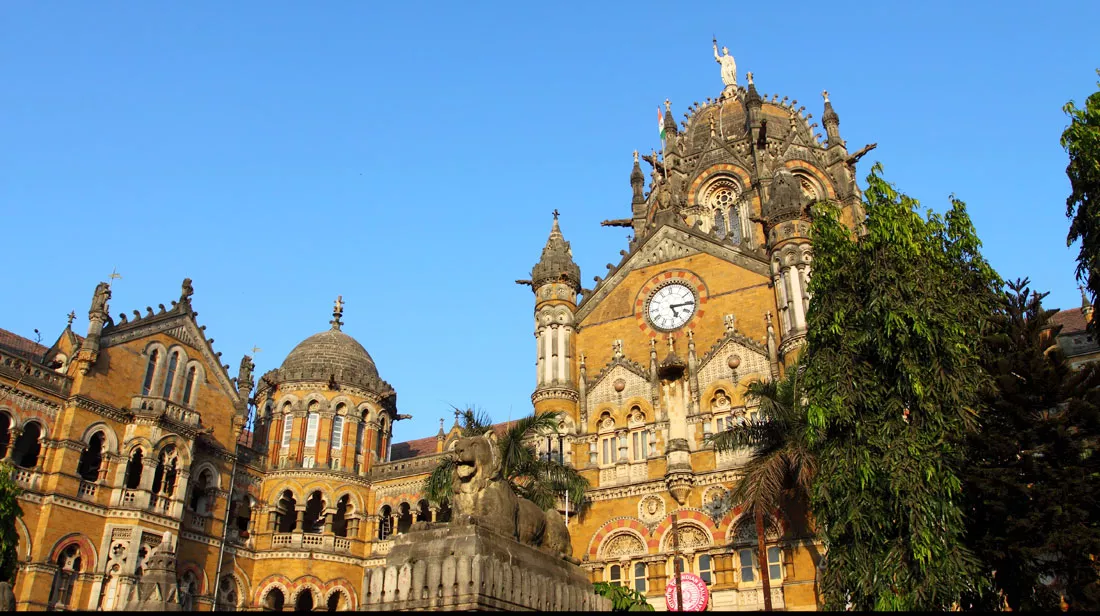 We start our day with a visit to the Gateway of India, Mumbai's most famous monument. Here we embark on our excursion to the Elephanta Caves*, located on an island in the Sea of Oman. The caves contain a collection of rock art linked to the cult of Shiva. Here, Indian art has found one of its most perfect expressions, particularly the huge high reliefs in the main cave. We return to Mumbai by motor launch and visit the Prince of Wales Museum and Shivaji Terminus*, formerly known Chhatrapati as Victoria Terminus Station, an outstanding example of Victorian Gothic Revival Architecture in India, blended with themes deriving from Indian traditional architecture. The building, designed by the British Architect F. W. Stevens, became the symbol of Bombay as the ‘Gothic City’ and the major international mercantile port of India. Its remarkable stone dome, turrets, pointed arches and eccentric ground plan are close to traditional Indian palace architecture. Our next Stop is at Mani Bhawan, where Mahatma Gandhi stayed here during the Freedom Struggle. The house is now converted into a Museum. From here we leave for Hanging Gardens, the Zoroastrian Towers of Silence, the bustling Crawford Market and drive past Haji Ali, the tomb of a wealthy Muslim merchant. We end our tour at the Dhobi Ghat, the world's largest outdoor laundry. The word Dhobi Ghat is used all over India to refer to any place where many washers are present.
Meals Included
We start our day with a visit to the Gateway of India, Mumbai's most famous monument. Here we embark on our excursion to the Elephanta Caves*, located on an island in the Sea of Oman. The caves contain a collection of rock art linked to the cult of Shiva. Here, Indian art has found one of its most perfect expressions, particularly the huge high reliefs in the main cave. We return to Mumbai by motor launch and visit the Prince of Wales Museum and Shivaji Terminus*, formerly known Chhatrapati as Victoria Terminus Station, an outstanding example of Victorian Gothic Revival Architecture in India, blended with themes deriving from Indian traditional architecture. The building, designed by the British Architect F. W. Stevens, became the symbol of Bombay as the ‘Gothic City’ and the major international mercantile port of India. Its remarkable stone dome, turrets, pointed arches and eccentric ground plan are close to traditional Indian palace architecture. Our next Stop is at Mani Bhawan, where Mahatma Gandhi stayed here during the Freedom Struggle. The house is now converted into a Museum. From here we leave for Hanging Gardens, the Zoroastrian Towers of Silence, the bustling Crawford Market and drive past Haji Ali, the tomb of a wealthy Muslim merchant. We end our tour at the Dhobi Ghat, the world's largest outdoor laundry. The word Dhobi Ghat is used all over India to refer to any place where many washers are present.
Meals Included-
Breakfast
-
Dinner
-
-
Day 15 - Mumbai/ Cochin (Flight)
 Today we are transferred to airport for our flight to Kochi, formerly known as Cochin. On arrival, we are transferred to our Hotel. Rest of the day is free for personal activities.
Meals Included
Today we are transferred to airport for our flight to Kochi, formerly known as Cochin. On arrival, we are transferred to our Hotel. Rest of the day is free for personal activities.
Meals Included-
Breakfast
-
Dinner
-
-
Day 16 - Cochin
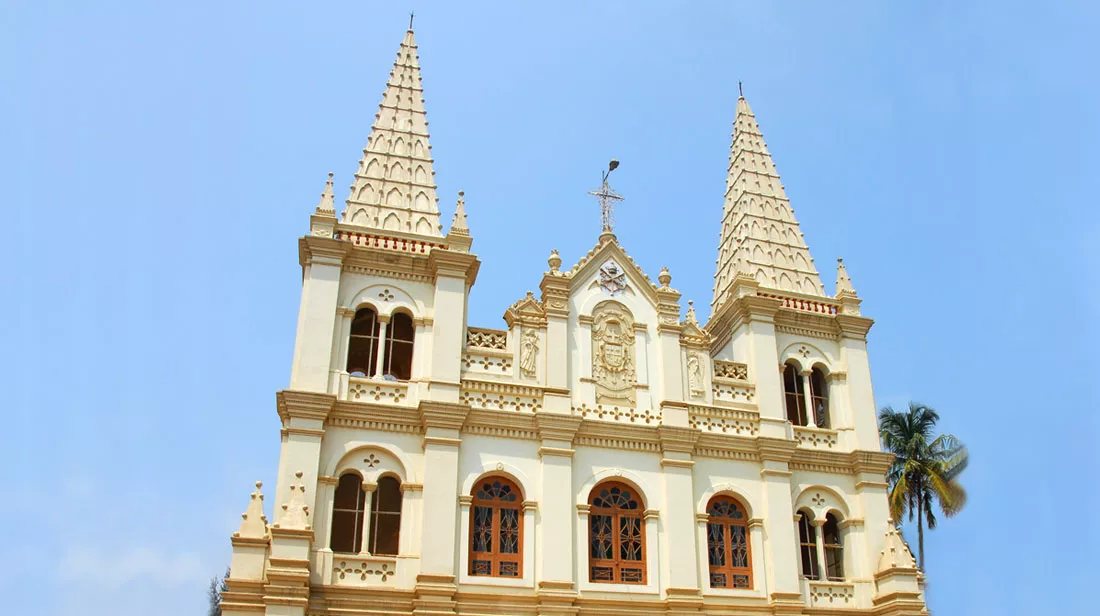 n the morning we explore Kochi, formerly known as Cochin, Kerala’s commercial capital with one of the finest natural harbours in the world. We visit St. Francis Church, the oldest European Church in India. Vasco De Gama was buried here before his remains were taken back to Portugal. Next we visit the Roman Catholic Santa Cruz Cathedral built by the Portuguese in the 16th century; which is famous for beautiful paintings on its ceiling.
We continue to the Jewish Quarter with its Old Synagogue and the Dutch Palace, built by the Portuguese. Later we take a boat cruise to visit Bolghatty Palace and observe the fascinating Chinese fishing nets in action. In the evening we enjoy Kathakali Dance Performance. This dramatized presentation of a play usually based on the Hindu epics of Ramayana, Mahabharata and Puranas, is a unique combination of literature, music, painting, acting and dance.
Meals Included-
Breakfast
-
Dinner
-
-
Day 17 - Cochin/ Thekkady (Drive: 190 Km/ 6 Hours)
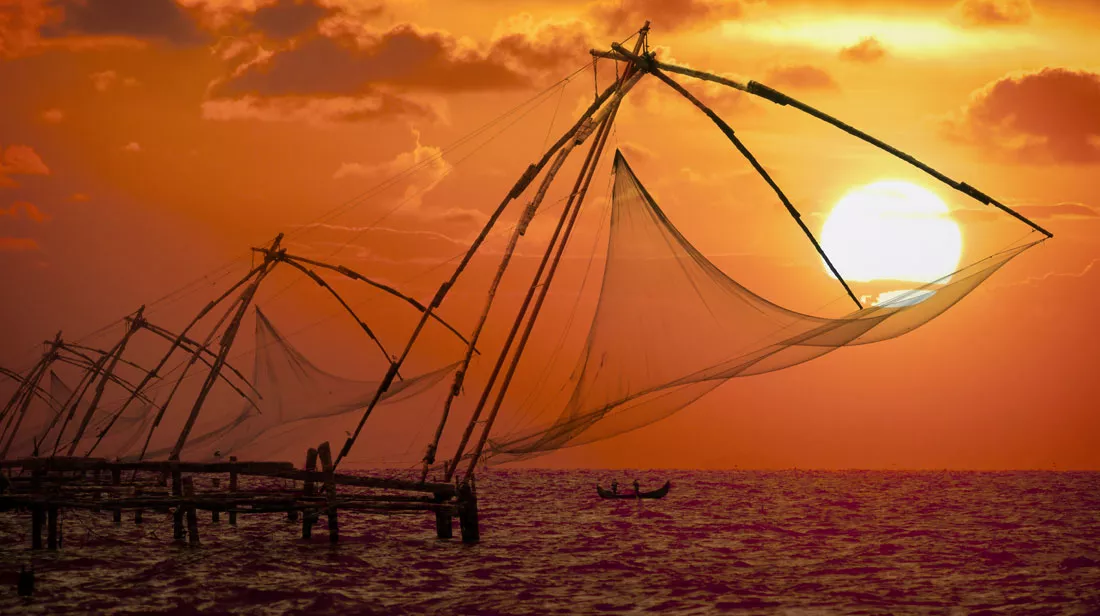 After breakfast we drive to Thekkady to check in our hotel. The area is famous for its spice plantations. In the afternoon we will visit a spice plantation, where cardamom, pepper, ginger, turmeric, cinnamon, nutmeg, cloves, all spice, and tea are grown. We will also see Ayurvedic medicinal plants and will have the opportunity to buy some garden-fresh spices. In the evening we return to our hotel for dinner.
Meals Included
After breakfast we drive to Thekkady to check in our hotel. The area is famous for its spice plantations. In the afternoon we will visit a spice plantation, where cardamom, pepper, ginger, turmeric, cinnamon, nutmeg, cloves, all spice, and tea are grown. We will also see Ayurvedic medicinal plants and will have the opportunity to buy some garden-fresh spices. In the evening we return to our hotel for dinner.
Meals Included-
Breakfast
-
Dinner
-
-
Day 18 - Thekkady
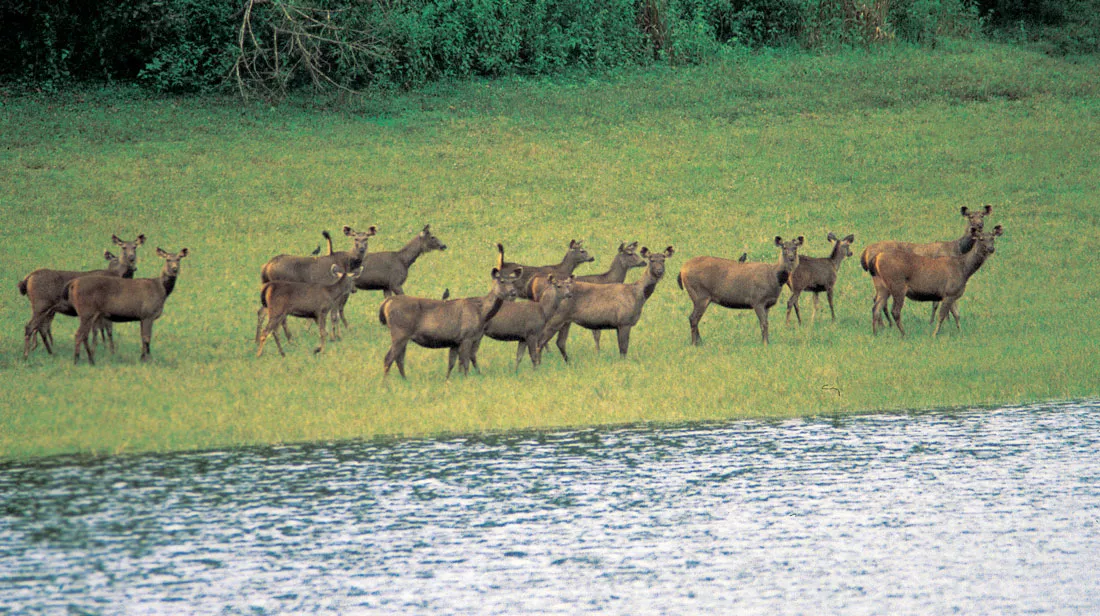 Our day starts with a jungle walk at the Periyar Wildlife Sanctuary in the early morning, after which we return to our hotel for breakfast. The Periyar Wildlife Sanctuary is one of the world’s most fascinating natural wildlife reserves. Spread across 777 square kilometres it was declared a Tiger Reserve in 1978. In the afternoon we enjoy a boat ride on Lake Periyar to watch animals in their natural habitat by the water's edge. We are likely to see animals like boars, Sambars, wild dogs, Langur monkeys and wild elephants. The sanctuary is also a haven for water birds and we can see plenty of darters, grey herons, egrets and kingfishers. The evening is free to explore the local bazaar in Thekkady and purchase some of the famous spices grown in the area.
Meals Included
Our day starts with a jungle walk at the Periyar Wildlife Sanctuary in the early morning, after which we return to our hotel for breakfast. The Periyar Wildlife Sanctuary is one of the world’s most fascinating natural wildlife reserves. Spread across 777 square kilometres it was declared a Tiger Reserve in 1978. In the afternoon we enjoy a boat ride on Lake Periyar to watch animals in their natural habitat by the water's edge. We are likely to see animals like boars, Sambars, wild dogs, Langur monkeys and wild elephants. The sanctuary is also a haven for water birds and we can see plenty of darters, grey herons, egrets and kingfishers. The evening is free to explore the local bazaar in Thekkady and purchase some of the famous spices grown in the area.
Meals Included-
Breakfast
-
Dinner
-
-
Day 19 - Thekkady/ Alleppey (Drive: 170 Km/ 4 ½ Hours)
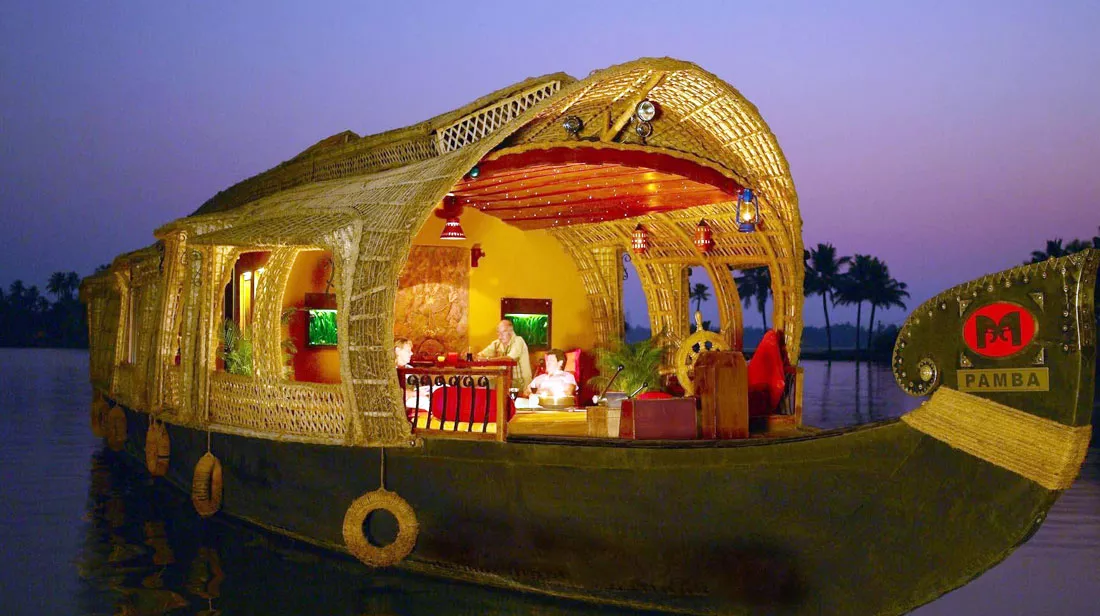 Today we drive to Alleppey. On arrival in Alleppey we board our traditional houseboat and begin our journey through the picturesque backwaters and small lakes relaxing in the tranquility of Kerala's beautiful scenery. On our journey we come across many boats, canoes and other crafts, as we observe the traditional way of life and activities of the local people.
Meals Included
Today we drive to Alleppey. On arrival in Alleppey we board our traditional houseboat and begin our journey through the picturesque backwaters and small lakes relaxing in the tranquility of Kerala's beautiful scenery. On our journey we come across many boats, canoes and other crafts, as we observe the traditional way of life and activities of the local people.
Meals Included-
Breakfast
-
Lunch
-
Dinner
-
-
Day 20 - Alleppey/ Kovalam (Drive: 175 Km/ 4 Hours)
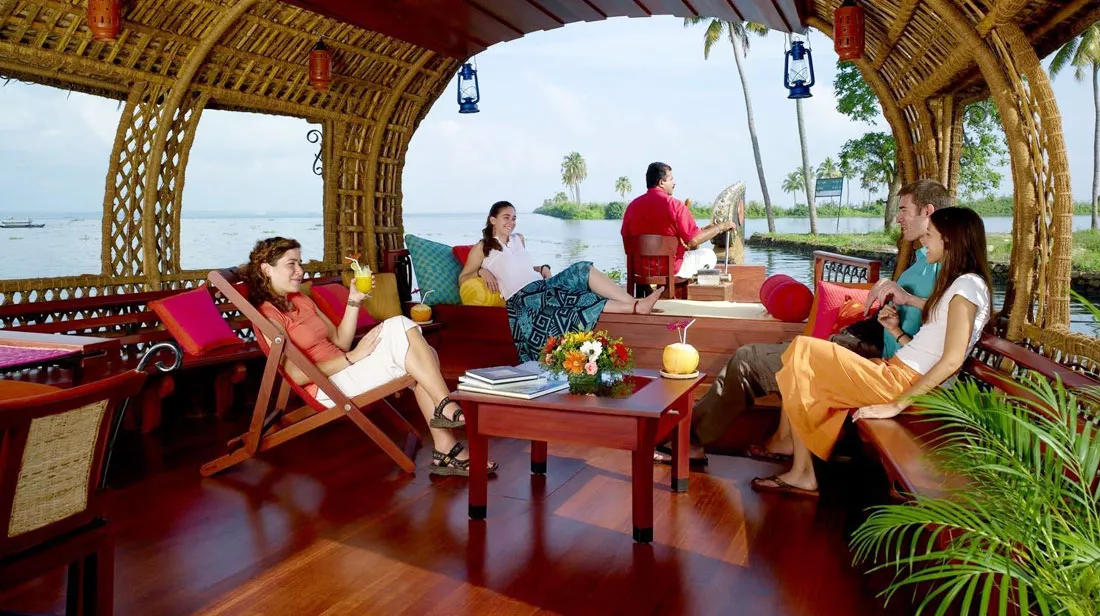 We enjoy breakfast on board, sail to Alleppey and disembark at the Puthenagady Jetty. A comfortable drive gets us to beautiful Kovalam Beach on the Malabar Coast near Trivandrum. We then get to relax by the beach with endless white sands by the blue waters of the Arabian Sea in secluded coconut groves.
Meals Included
We enjoy breakfast on board, sail to Alleppey and disembark at the Puthenagady Jetty. A comfortable drive gets us to beautiful Kovalam Beach on the Malabar Coast near Trivandrum. We then get to relax by the beach with endless white sands by the blue waters of the Arabian Sea in secluded coconut groves.
Meals Included-
Breakfast
-
Dinner
-
-
Day 21 - Kovalam
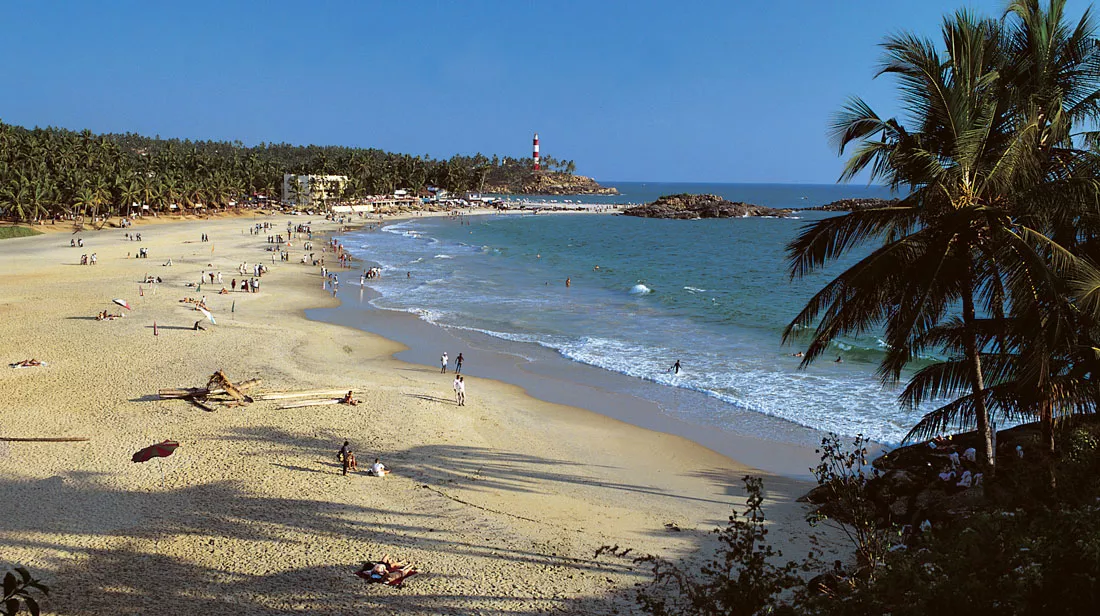 Enjoy 01 Rejuvenation Massage (01 Hour) and free day to relax on the beach.
Meals Included
Enjoy 01 Rejuvenation Massage (01 Hour) and free day to relax on the beach.
Meals Included-
Breakfast
-
Dinner
-
-
Day 22 - Kovalam/ Kanyakumari/ Madurai (Drive: 330 Km/ 7- 8 Hours)
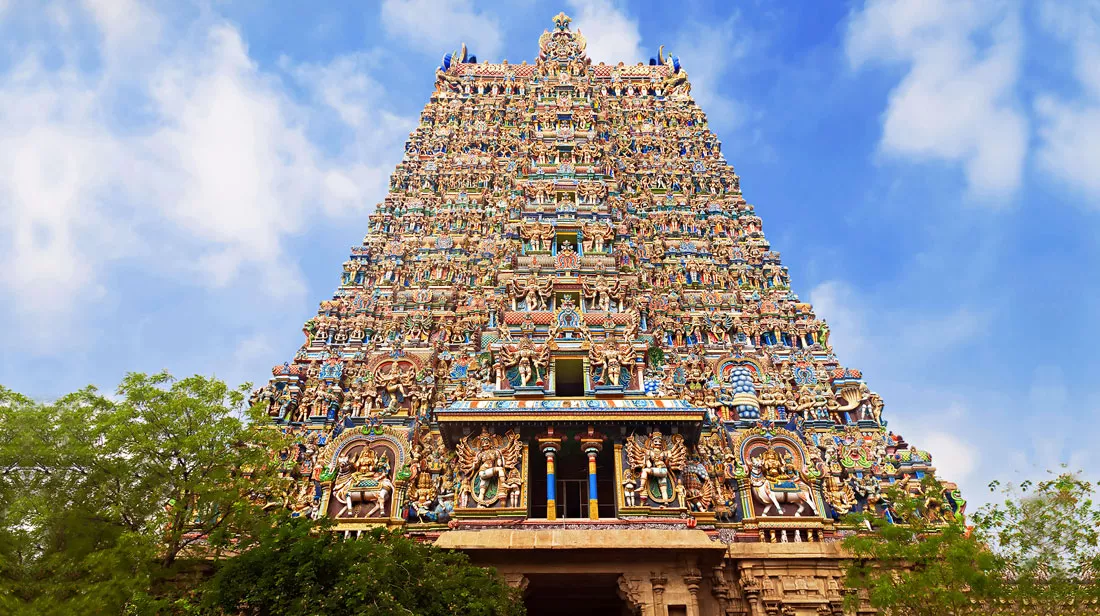 After breakfast we leave for Madurai en-route visiting Kanyakumari, the “Lands’ End" of India on the way. Kanyakumari is the southernmost tip of peninsular India where the waters of the Bay of Bengal, the Indian Ocean and the Arabian Sea meet. We visit the Temple of Goddess Kumari, the Vivekananda Rock Memorial in the sea where Swami Vivekananda mediated. After lunch we continue our journey to Madurai. On arrival, we check in our Hotel.
Meals Included
After breakfast we leave for Madurai en-route visiting Kanyakumari, the “Lands’ End" of India on the way. Kanyakumari is the southernmost tip of peninsular India where the waters of the Bay of Bengal, the Indian Ocean and the Arabian Sea meet. We visit the Temple of Goddess Kumari, the Vivekananda Rock Memorial in the sea where Swami Vivekananda mediated. After lunch we continue our journey to Madurai. On arrival, we check in our Hotel.
Meals Included-
Breakfast
-
Dinner
-
-
Day 23 - Madurai
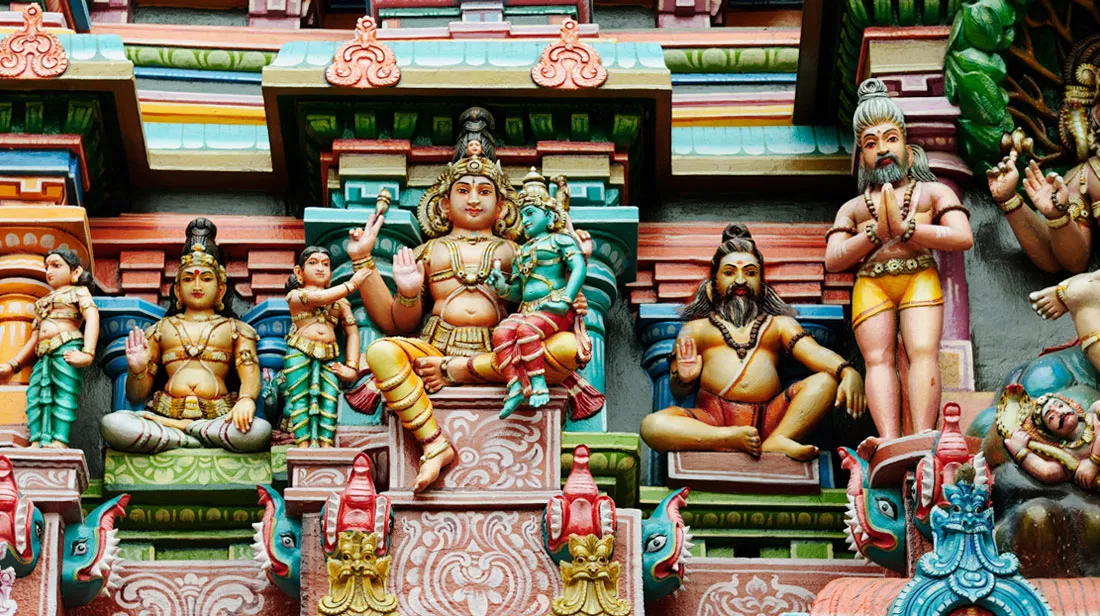 oday we explore Madurai, the second largest city in Tamil Nadu. The city revolves around the Meenakshi Amman Temple, a structure in the Dravidian style of architecture. The complex houses 14 gopurams (gateway towers) ranging from 45-50m in height, the tallest being the southern tower, 51.9 metres (170 ft) high, and two golden sculptured shrines over sanctum of the main deities. The temple is a significant symbol for the Tamil people, and has been mentioned since antiquity in Tamil literature, though the present structure was built from 1623 to 1655. There are an estimated 33,000 sculptures in the temple and amongst the highlights are the Hall of a Thousand Pillars, the Tirumalai Nayaka Temple and the Temple Art Museum. In the evening we enjoy night closing ceremony of the Temple.
Meals Included
oday we explore Madurai, the second largest city in Tamil Nadu. The city revolves around the Meenakshi Amman Temple, a structure in the Dravidian style of architecture. The complex houses 14 gopurams (gateway towers) ranging from 45-50m in height, the tallest being the southern tower, 51.9 metres (170 ft) high, and two golden sculptured shrines over sanctum of the main deities. The temple is a significant symbol for the Tamil people, and has been mentioned since antiquity in Tamil literature, though the present structure was built from 1623 to 1655. There are an estimated 33,000 sculptures in the temple and amongst the highlights are the Hall of a Thousand Pillars, the Tirumalai Nayaka Temple and the Temple Art Museum. In the evening we enjoy night closing ceremony of the Temple.
Meals Included-
Breakfast
-
Dinner
-
-
Day 24 - Madurai/ Tanjore (Drive: 195 Km/ 4 Hours)
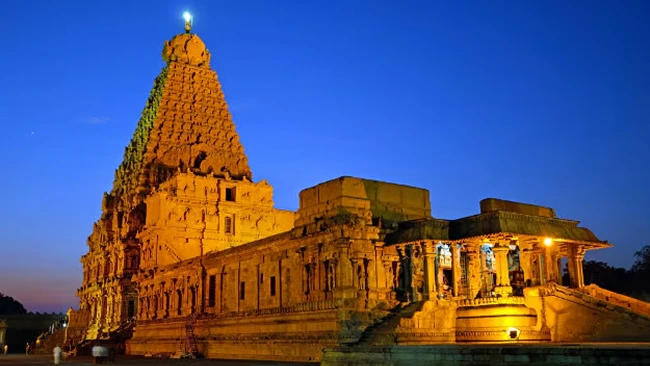
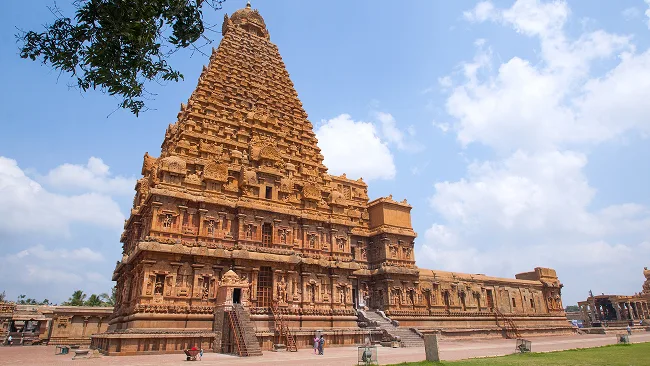
 After breakfast we drive to Thanjavur and check in at our hotel. Thanjavur is popularly known as Tanjore. In the afternoon we explore the Brihadisvara Temple, one of the Great Living Chola Temples*. The temple, set in spacious grounds, has several pillared halls and shrines. Inscriptions record the names of dancers, musicians and poets a reminder of the significance of this area to the development of the arts in the 11th century. We end our tour of Tanjore with a visit to the Tanjore Palace & Museum, which has an eclectic collection of regal memorabilia most of it dating from the early 19th century.
Meals Included
After breakfast we drive to Thanjavur and check in at our hotel. Thanjavur is popularly known as Tanjore. In the afternoon we explore the Brihadisvara Temple, one of the Great Living Chola Temples*. The temple, set in spacious grounds, has several pillared halls and shrines. Inscriptions record the names of dancers, musicians and poets a reminder of the significance of this area to the development of the arts in the 11th century. We end our tour of Tanjore with a visit to the Tanjore Palace & Museum, which has an eclectic collection of regal memorabilia most of it dating from the early 19th century.
Meals Included-
Breakfast
-
Dinner
-
-
Day 25 - Tanjore/ Pondicherry (Drive: 200 Km/ 4 Hours)
 After breakfast we drive to Pondicherry. This former French Colonial city in Tamil Nadu didn’t come under Indian rule until 1954. Pondicherry, otherwise known as Puducherry means a “New Hamlet” and is located on the Coromandal Coast. Its main attraction is actually outside of town: the ashram at Auroville, built by followers of Sri Aurobindo, a philosopher-prophet born in 1870, famous for his Integral Yoga and philosophical literary works. In the International Town where people from all over the world reside, we will find the Matrimandir, the famous monument built by the Auroville Society representing a lotus flower. Today we will also visit the 400-year old Manakula Vinayagar Temple, which has several frescos telling the life story of a half human and half animal lord.
Meals Included
After breakfast we drive to Pondicherry. This former French Colonial city in Tamil Nadu didn’t come under Indian rule until 1954. Pondicherry, otherwise known as Puducherry means a “New Hamlet” and is located on the Coromandal Coast. Its main attraction is actually outside of town: the ashram at Auroville, built by followers of Sri Aurobindo, a philosopher-prophet born in 1870, famous for his Integral Yoga and philosophical literary works. In the International Town where people from all over the world reside, we will find the Matrimandir, the famous monument built by the Auroville Society representing a lotus flower. Today we will also visit the 400-year old Manakula Vinayagar Temple, which has several frescos telling the life story of a half human and half animal lord.
Meals Included-
Breakfast
-
Dinner
-
-
Day 26 - Pondicherry / Mahabalipuram/ Chennai (Drive: 195 Km/ 4 Hours)
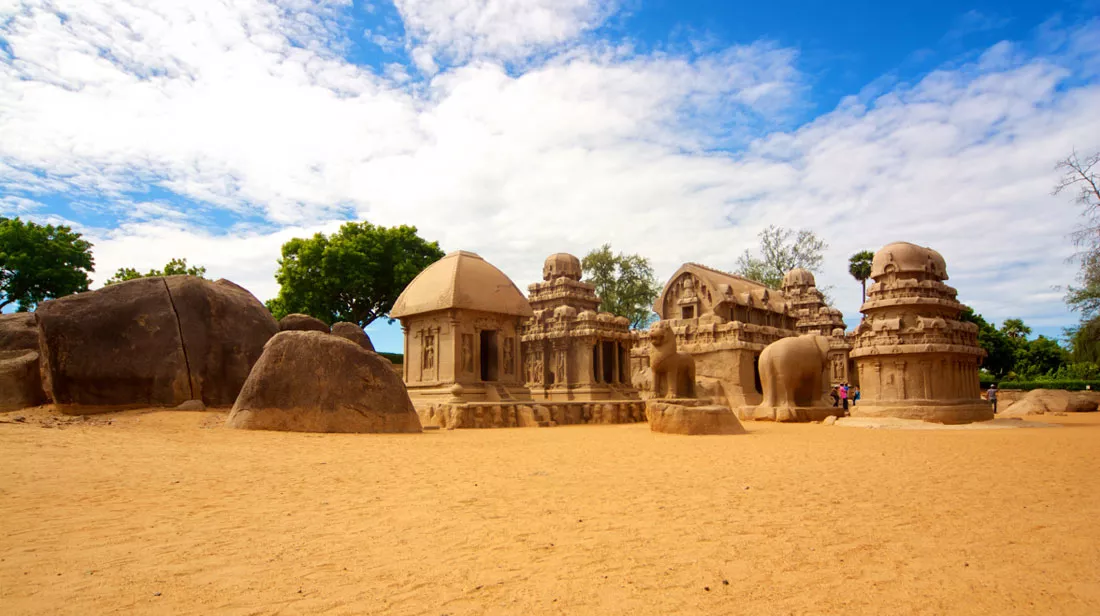 After breakfast we drive to Mahabalipuram. On arrival we visit the Group of Monuments at Mahabalipuram*. This group of sanctuaries, founded by the Pallava kings, was carved out of rock along the Coromandel Coast in the 7th and 8th centuries. It is known especially for its rathas (temples in the form of chariots), mandapas (cave sanctuaries), giant open-air reliefs such as the famous 'Descent of the Ganges', and the temple of Rivage, with thousands of sculptures to the glory of Shiva. After that, we continue our journey to Chennai. On arrival we check in our Hotel. Rest of the day is free to relax.
Meals Included
After breakfast we drive to Mahabalipuram. On arrival we visit the Group of Monuments at Mahabalipuram*. This group of sanctuaries, founded by the Pallava kings, was carved out of rock along the Coromandel Coast in the 7th and 8th centuries. It is known especially for its rathas (temples in the form of chariots), mandapas (cave sanctuaries), giant open-air reliefs such as the famous 'Descent of the Ganges', and the temple of Rivage, with thousands of sculptures to the glory of Shiva. After that, we continue our journey to Chennai. On arrival we check in our Hotel. Rest of the day is free to relax.
Meals Included-
Breakfast
-
Dinner
-
-
Day 27 - Chennai
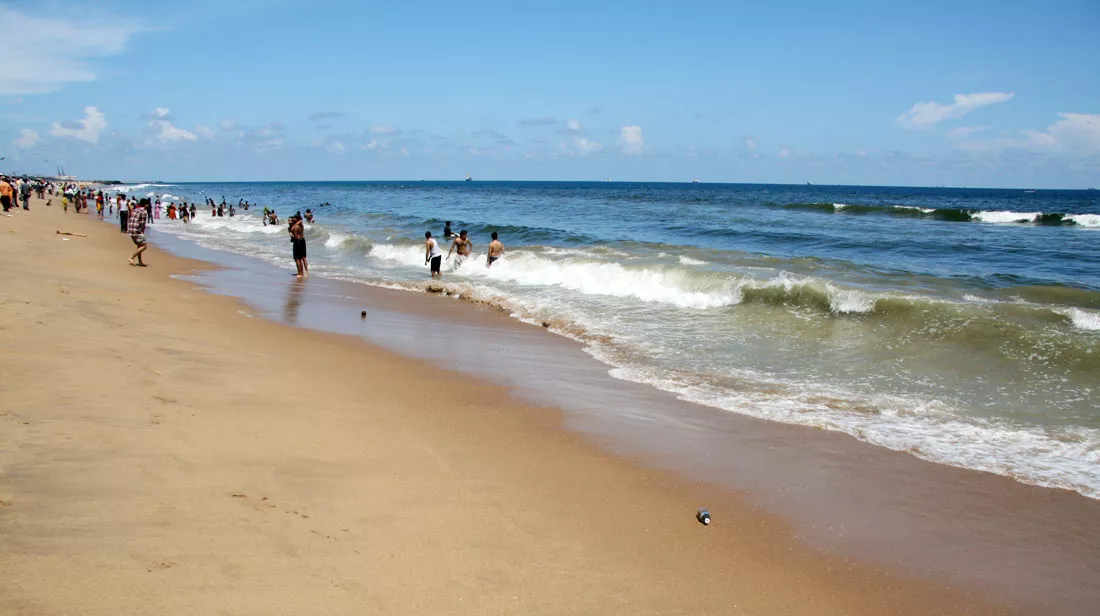 We tour Chennai, visiting the National Art Gallery & Museum, which contains some of the best collections of bronzes in the country including the famous icon of Natraja. We continue to India's oldest surviving British church, St. Mary's Church, built in 1680. We end our tour with a visit to People’s Park and the beautiful Marina Beach and the clock towers.
Meals Included
We tour Chennai, visiting the National Art Gallery & Museum, which contains some of the best collections of bronzes in the country including the famous icon of Natraja. We continue to India's oldest surviving British church, St. Mary's Church, built in 1680. We end our tour with a visit to People’s Park and the beautiful Marina Beach and the clock towers.
Meals Included-
Breakfast
-
Dinner
-
-
Day 28 - Chennai / Onward destination
Today is free for shopping and other personal activities. Hotel Check out time is 12:00 Noon. In the evening we enjoy our farewell dinner at local well-known restaurant. After an incredible tour of the Best of South India, we are transferred to the international terminal for our flight home. We bid farewell to India after what will have been a memorable journey into history, culture, art, architecture, making new friends and lots of memories.
Meals Included
-
Breakfast
-
Dinner
-
- - Breakfast
- - Lunch
- - Dinner
* DENOTES UNESCO WORLD HERITAGE SITES INCLUDED
 Loading accommodation…
Frequently asked questions
Common questions about this tour — expand any item for details.
- 01 Can I join a tour late or leave it early?
- 02 Is tipping included and if not, how much should I budget?
- 03 Can I book extra nights of hotel accommodation before or after my tour?
- 04 Who are my travelling companions?
- 05 How many people can join a tour?
- 06 What are the age restrictions on your tours?
- 07 I'm a single traveler, will I be charged a single supplement?
- 08 Can you provide me with a list of the hotels we will be staying at?
- 09 Are airport transfers included?
- 10 What is the most appropriate type of luggage to bring?
- 11 What vaccinations are recommended for this tour?
- 12 What clothing should I pack for one of your tours?
- 13 Do your tours include international airfare?
- 14 What type of ground transportation is used on your tours?
Traveller reviews
What guests say about Discover India.
Loading gallery…
Log in to view dates & prices
Please sign in or create an account to see departure dates, pricing, and book online.

Top Tours
Hand-picked journeys travellers loved most this season.
Loading top tours…
Amazing Experience of Discover IndiaTour
Jun 2018